

How To Choose The Right Sim Racing Bundle
|
|
Choosing the right sim racing bundle can feel harder than it should. You’re looking at wheelbases, pedals, cockpits, seats, shifters, handbrakes, monitors, platforms, software, and upgrade paths, and every setup seems to promise a better drive.
That’s why a sim racing bundle can be such a smart starting point. But not every sim racing bundle suits every driver. The best choice comes down to your platform, budget, space, driving style, and how serious you want to get.
At Gamer Gear Direct, we’ve tested racing simulator setups in our Dandenong South showroom, helped customers compare different cockpit and wheelbase combinations, and worked through the real setup questions that don’t always show up on a spec sheet.
This guide brings those lessons together so you can choose a sim racing bundle that actually fits how you drive.
We don’t judge a sim racing bundle by specs alone. A wheelbase can look powerful on paper, but if the cockpit flexes, the pedal plate moves, or the software setup is confusing, the experience can fall short quickly.
When we review or recommend a sim racing bundle, we look at the full setup as a system. That includes how the wheelbase mounts, how stable the pedals feel under hard braking, how easy the cockpit is to adjust, how much space the setup needs, and how simple it is to get running on PC, Xbox, or PlayStation.
In our Dandenong showroom, we look closely at:
Setup difficulty and how clear the assembly process feels.
Wheel deck strength under force feedback load.
Pedal plate stability during repeated braking.
Seat comfort and driving position for longer sessions.
Platform compatibility for PC and console users.
Upgrade potential if you want to improve the setup later.
So what exactly qualifies as a proper sim racing bundle? At its core, you're looking at a package that includes the essential components needed to start racing immediately. The basic formula typically includes a racing wheel, pedals, and some form of mounting solution.
The beauty of opting for a bundle rather than individual components comes down to three key advantages:
Guaranteed compatibility between all components right out of the box
Cost savings compared to buying everything separately
Simplified setup process with fewer technical headaches
Tested combinations that manufacturers know work well together
When you're browsing through options at retailers like those offering racing simulator bundles, you'll notice bundles range from entry-level packages to professional-grade setups.
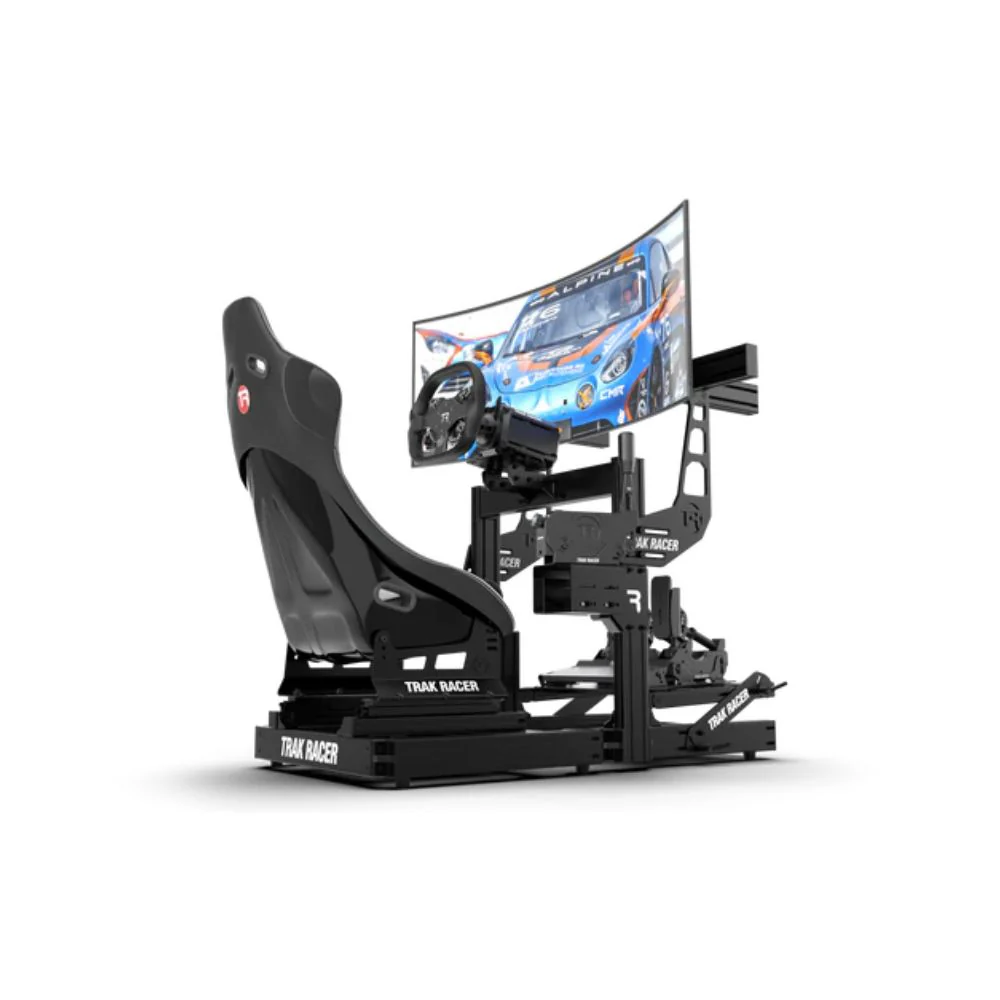
Here's where things get interesting. The components inside your sim racing bundle determine not just the price tag, but your entire racing experience. Entry-level bundles typically feature gear-driven force feedback wheels, two-pedal sets, and basic desk clamps.
Premium packages step up to direct drive wheels, load cell brake pedals, and dedicated cockpit frames.
Component |
Entry-Level |
Mid-Range |
Premium |
|---|---|---|---|
Wheel Base |
Gear-driven (2-3 Nm) |
Belt/Hybrid (5-8 Nm) |
Direct Drive (10+ Nm) |
Pedals |
2-pedal, potentiometer |
3-pedal, hall sensors |
Load cell brake, hydraulic |
Mounting |
Desk clamp |
Foldable rig |
Aluminium cockpit |
Price Range |
$300-$600 |
$700-$1,500 |
$1,600-$4,000+ |
Are you completely new to sim racing or upgrading from a basic setup?
Your experience level should heavily influence which sim racing bundle you choose. Jumping straight into a high-end direct drive setup when you're still learning racing lines might be overkill.
If you're just dipping your toes into virtual motorsport, you want something that won't break the bank but still delivers an authentic experience.
Beginners should prioritise:
Simple setup procedures that don't require engineering degrees
Platform compatibility with your gaming system (PC, PlayStation, Xbox)
Upgrade paths that let you swap components as you improve
Community support with plenty of tutorials and troubleshooting guides
The learning curve with your first bundle focuses more on developing racing skills than mastering technical configurations. You'll spend your initial months understanding braking points, racing lines, and throttle control rather than tweaking force feedback settings.
Once you've logged hundreds of hours and can consistently hit apex markers, your requirements change dramatically. An intermediate sim racing bundle needs more precision, better feedback, and components that respond to subtle inputs.
This is where direct drive wheel bases transform your experience. Unlike gear-driven systems that can feel notchy or imprecise, direct drive technology provides instant, detailed feedback about road surfaces, tyre grip, and vehicle behaviour.
Exploring quality sim racing gear helps you understand these technical differences.
Advanced racers typically look for:
Load cell brake pedals that simulate real hydraulic pressure
Quick-release wheel systems for swapping between different rim styles
Adjustable pedal angles and spacing for ergonomic precision
Telemetry integration for data-driven performance improvement
Here's a curveball that catches many first-time buyers: not every sim racing bundle works with every platform. Console gamers need specific licensing, while PC users enjoy broader compatibility but sometimes face driver installation challenges.
PlayStation and Xbox require official licensing for force feedback wheels to function properly. A bundle marketed as "PC compatible" won't necessarily work on your PlayStation 5. This restriction means console-focused bundles often carry slightly higher price tags due to licensing fees.
For Xbox users, bundles featuring compatibility with both PC and Xbox platforms offer maximum flexibility. The direct drive bundles available through specialised retailers include options specifically designed for dual-platform use.
PC sim racers enjoy the widest hardware compatibility but face different challenges. Driver installations, software calibration, and game-specific profiles require more hands-on configuration. However, this flexibility means you can fine-tune every aspect of your bundle's performance.
Setting up your first sim racing rig involves several software steps beyond physical installation. You'll configure force feedback strength, rotation angles, and button mappings for each racing title you play.
Your sim racing bundle might include a wheel and pedals, but without proper ergonomics, you'll develop fatigue and discomfort during longer sessions. The positioning of components matters just as much as their quality.
Most bundles require additional considerations:
Seating position that maintains proper posture and visibility
Monitor or screen placement at an appropriate distance and height
Pedal deck angles matching real vehicle configurations
Wheel height and distance allowing natural arm positioning
The jump from a desk-mounted setup to a dedicated cockpit frame transforms your experience. Proper mounting eliminates flex, improves feedback clarity, and prevents the frustrating wheel movement that ruins immersion during intense racing moments.
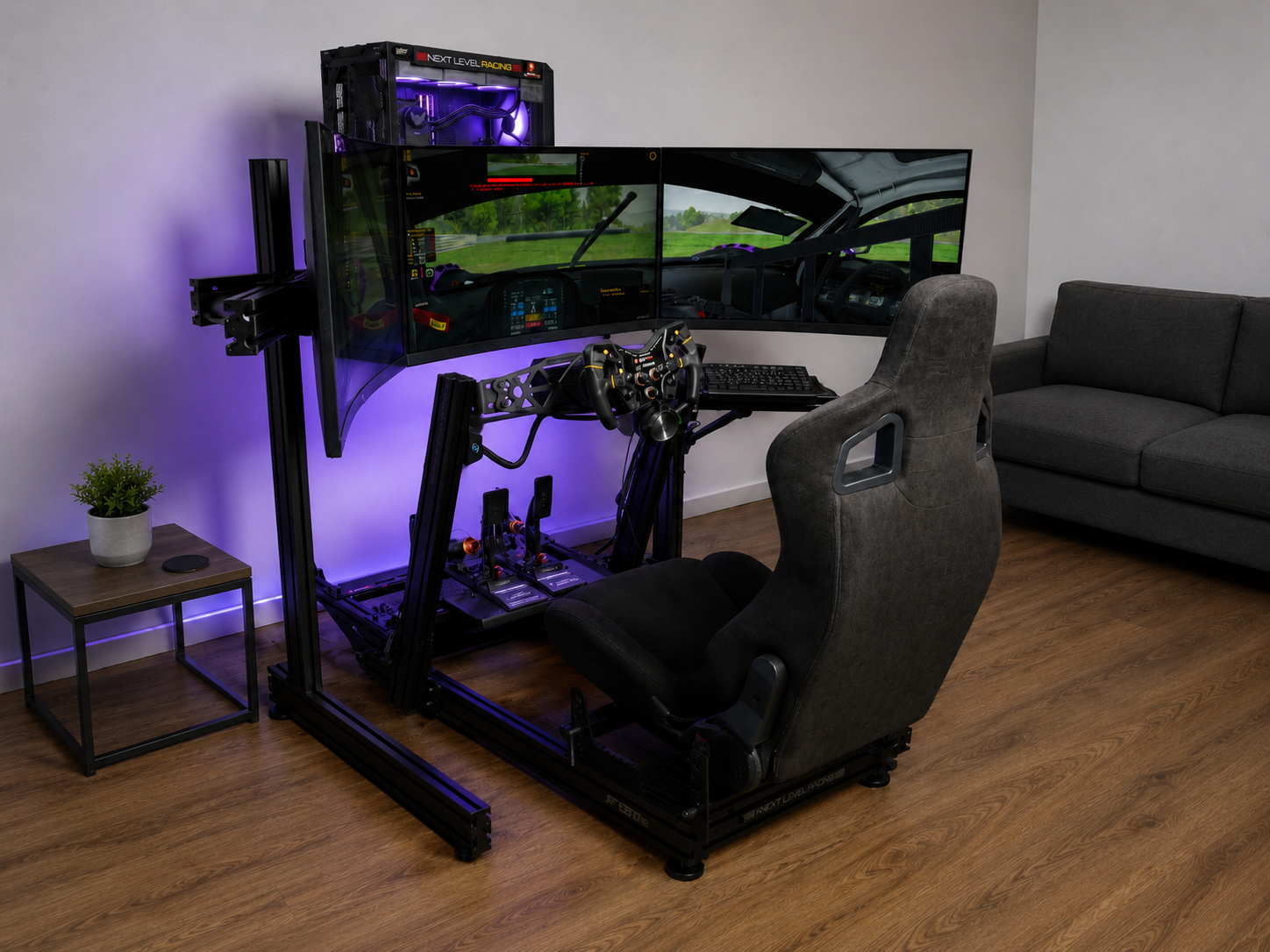
Some manufacturers offer complete cockpit bundles that include the aluminium frame, seat, and all mounting hardware alongside your wheel and pedals. These all-in-one solutions cost more upfront but eliminate compatibility guesswork.
Component-only bundles give you the flexibility to choose your own cockpit, seat, and mounting solutions. This approach works brilliantly if you already own some equipment or have specific ergonomic requirements. Many racers start with a basic bundle and gradually upgrade to dedicated racing simulators as their commitment deepens.
After testing and supporting different racing simulator setups, there are a few combinations we’re cautious with.
We don’t recommend:
Putting a strong direct drive wheelbase on a weak frame. If the wheel deck flexes, the feedback loses clarity and the setup feels less controlled.
Ignoring pedal quality if you care about lap times. A strong wheelbase feels exciting, but inconsistent braking will hold you back.
Buying a console setup before checking official compatibility. This is one of the easiest mistakes to avoid.
Choosing a sim racing bundle based on price alone. A cheaper setup can cost more later if you replace too many parts too quickly.
Buying a fixed cockpit without measuring your available space. Comfort matters, and a cramped rig won’t encourage longer racing sessions.
How much should you actually spend on a sim racing bundle, and where does the best value live? The answer depends on your commitment level and realistic expectations.
Your initial bundle purchase represents just the beginning. Factor in these additional costs:
Gaming PC or console if you don't already own one
Display setup (monitor, TV, or VR headset)
Gaming chair or racing seat for proper positioning
Future upgrades as you identify component bottlenecks
Game software and subscription services
Here's the thing about bundles: they're designed as starting points, not permanent solutions. As your skills develop, you'll identify which components limit your performance. Maybe the pedals lack the precision you need, or the wheel base doesn't provide enough torque for larger rim attachments.
The smart approach involves upgrading one component at a time rather than replacing everything simultaneously. This staged progression lets you appreciate each improvement and spread costs over time. Start with load cell pedals if braking consistency troubles you, or upgrade to a stronger wheelbase if you're missing subtle feedback details.
The sim racing market has exploded over the past few years, bringing more competition and better value across all price points. Several configurations have emerged as particularly popular among Australian racers.
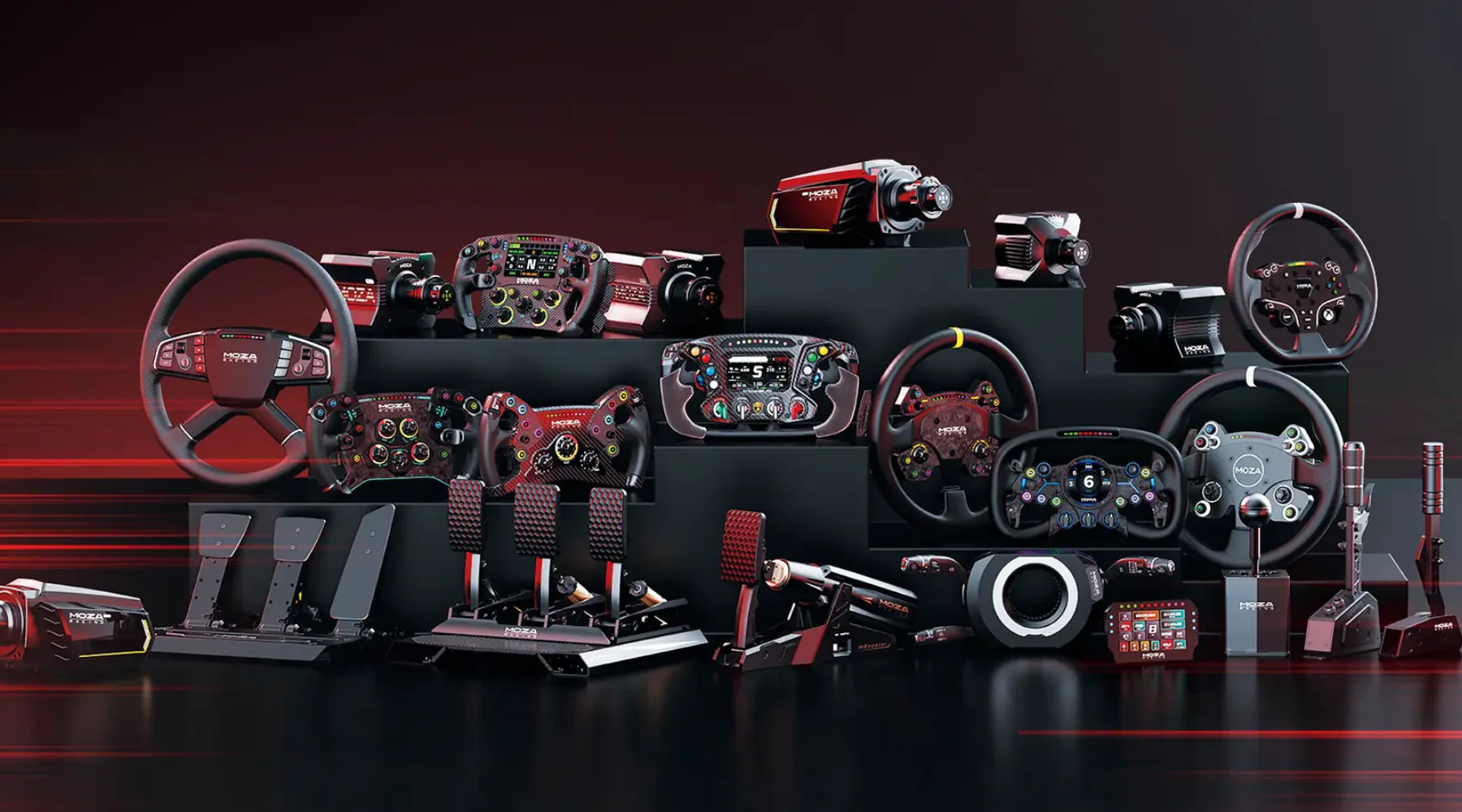
Direct drive technology has become significantly more affordable. Bundles featuring entry-level direct drive bases like the MOZA R5 now compete directly with premium belt-driven systems.
These bundles typically include:
5-6 Nm direct drive base
280-300mm round racing wheel
Three-pedal set with adjustable springs
Quick-release mechanism for wheel swaps
For most racers, this configuration provides enough force feedback detail and adjustability to last years before requiring upgrades. The real question becomes whether you prioritise the smooth, detailed feedback of direct drive or prefer spending less initially with plans to upgrade later.
Console gamers face fewer bundle options due to licensing requirements, but the available packages have improved dramatically. The emphasis here sits on plug-and-play simplicity with minimal configuration hassle.
Console-focused sim racing bundle options balance cost against official licensing fees while delivering solid performance. These packages work immediately with popular titles like F1, Gran Turismo 7, and Forza Motorsport, requiring minimal setup beyond physical installation.
While most people think "Formula 1" when they hear sim racing bundle, the market has diversified considerably. Different racing disciplines require different equipment configurations, and manufacturers have responded with specialised packages.
Rally sim racing demands different feedback characteristics than circuit racing. Bundles targeting this discipline often feature:
Higher rotation ranges (900 degrees or more) for loose surface handling
Softer force feedback profiles that communicate surface changes
Sequential shifter additions for rally car transmissions
Handbrake integration for Scandinavian flicks and hairpin entries
These bundles cater to titles like Dirt Rally 2.0 and WRC games where precision matters less than reading constantly changing surfaces. The setup priorities shift toward communicating weight transfer and grip levels rather than apex precision.
The physical footprint of your sim racing bundle matters enormously, especially in Australian homes where dedicated gaming rooms aren't always available. Your mounting solution needs to balance stability, adjustability, and storage convenience.
Not everyone can dedicate a permanent corner of their home to a racing cockpit. Foldable racing rigs have evolved from wobbly compromises into genuinely stable platforms that collapse for storage. These designs work brilliantly for apartment dwellers or shared spaces.
Key features to examine:
Folding mechanism speed and ease of operation
Stability when deployed compared to fixed frames
Storage dimensions when collapsed
Weight capacity for larger racing seats
The trade-off involves slightly reduced rigidity compared to fixed cockpits, but modern designs minimise this gap significantly. Many racers run high-end direct drive bundles on quality foldable frames without noticeable flex or movement.
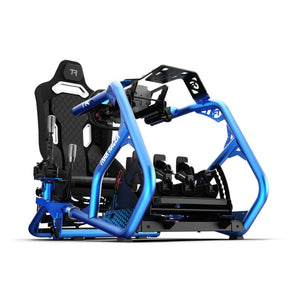
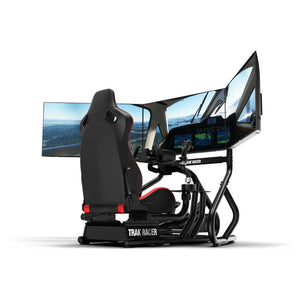
If you've got the space, a permanent aluminium cockpit frame provides the ultimate foundation for your sim racing bundle. These adjustable frames accommodate various body sizes, allow precise positioning, and eliminate any flex during aggressive inputs.
Coupling a premium bundle with a dedicated cockpit from collections like those offering racing seats creates a professional-grade setup. The investment pays dividends through improved consistency, reduced fatigue, and the pure immersion factor of sitting in a purpose-built environment.
Buying simulation gear in Australia comes with unique considerations. Warranty support, shipping costs, and local service availability all factor into your sim racing bundle decision.
Quality manufacturers back their bundles with warranties ranging from one to three years. However, warranty terms vary significantly between components within the same package. Your wheelbase might carry a two-year warranty while pedals include only one year.
Australian Consumer Law provides additional protections beyond manufacturer warranties. Products must be of acceptable quality and last a reasonable timeframe based on price and marketing claims. This protection gives Aussie buyers extra confidence when investing in premium bundles.
When issues arise, having local support makes life infinitely easier than shipping components internationally. Retailers specialising in simulation gear typically offer better technical support than general electronics stores because their staff actually understand the products.
Before committing to a bundle, verify:
Local warranty service availability
Replacement part accessibility
Technical support response times
Software assistance for setup and troubleshooting
The convenience of working with Australian-based simulation retailers often justifies slight price premiums over overseas purchases. You're buying peace of mind alongside hardware.
So you've researched specifications, compared prices, and identified your platform requirements. How do you actually pull the trigger on the right sim racing bundle? The decision ultimately rests on an honest assessment of your commitment level and realistic expectations.
Before adding that bundle to your cart, answer these questions truthfully:
How many hours weekly will you realistically spend sim racing?
Which specific titles do you plan to play most frequently?
What's your total available budget including all accessories?
Do you have adequate space for your chosen mounting solution?
Are you committed long-term or exploring a new hobby?
Your answers reveal whether an entry-level bundle serves you perfectly or whether stretching toward mid-range makes sense. There's zero shame in starting small and upgrading later, especially if you're uncertain about long-term commitment.
Professional reviews provide valuable insights, but remember they often test equipment in ideal conditions. Real-world performance depends on your specific setup, games, and sensitivity to different feedback characteristics.
Look for reviews mentioning:
Long-term reliability after months of use
Community feedback and common issues
Software update frequency and improvements
Compatibility quirks with specific games
When you're exploring options among racing simulator accessories and complete bundles, user reviews from actual customers often reveal practical details that professional reviewers miss.
The best sim racing bundle isn’t always the most expensive one. It’s the one that fits your platform, space, budget, driving style, and upgrade goals.
If you’re new, start with a stable, compatible setup that makes racing easy. If you’re improving, focus on pedals and cockpit strength. If you’re serious long-term, invest in direct drive, better braking, and a rigid cockpit from the start.
The key is balance. A strong wheelbase needs a strong cockpit. Better pedals need a stable pedal deck. A premium setup needs enough space to feel comfortable.
If you need help choosing, the team at Gamer Gear Direct can guide you through the options and help match the right sim racing bundle to your home, platform, and racing goals.