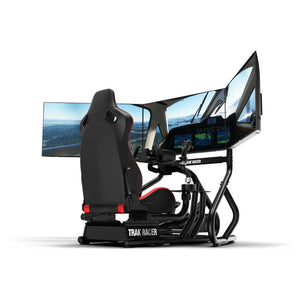


Sim Racing Gear Guide: Build Your Perfect Setup
|
|
Choosing the right sim racing gear is much easier when you know how each part feels once it's mounted, calibrated, and pushed through a proper racing session. Spec sheets help, but they don't tell you how much a cockpit flexes under braking, how a direct drive wheel reacts when the rear steps out, or how much difference a load cell brake makes when you're trying to hit the same braking marker lap after lap.
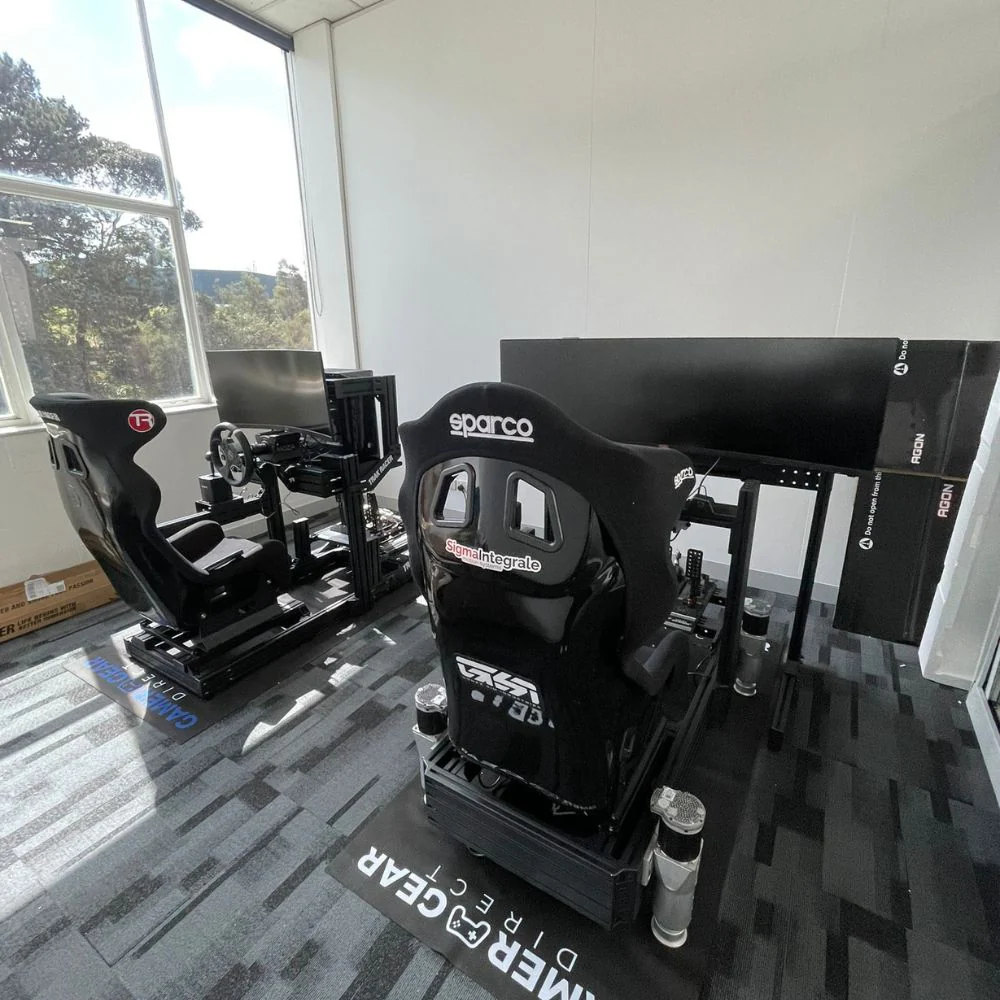
At Gamer Gear Direct, we've tested a wide range of sim racing gear through our Dandenong South showroom and across customer-ready racing simulator packages. That includes wheelbases, steering wheels, pedals, cockpits, monitor stands, shifters, handbrakes and complete rigs built for PC, PlayStation, and Xbox racers.
This guide is based on what we've learned from hands-on setup, showroom demos, customer questions, and real-world product support. It's designed to help you choose sim racing gear that suits your space, platform, budget, and driving style without wasting money on parts you don't need yet.
Before recommending sim racing gear, we look at how it performs once it's actually being used. That means we don't judge products by torque numbers, material lists, or marketing claims alone.
Our team looked at:
Setup difficulty and assembly time
Cockpit stability under braking and steering load
Wheelbase feel through corners, kerbs, slides, and fast corrections
Pedal consistency during repeated braking zones
Software setup, calibration, and driver support
PC, PlayStation, and Xbox compatibility
Comfort over longer sessions
Upgrade options across wheels, pedals, shifters, and accessories
Warranty support and common customer issues
The biggest lesson from our testing is simple: the best sim racing gear isn't always the most expensive option. A well-matched setup usually feels better than a powerful wheelbase bolted to a weak frame or premium pedals mounted to a flex-heavy pedal plate.
When you're building your sim racing setup, you'll need to think about three fundamental elements that work together to create an immersive experience. These aren't optional extras; they're the backbone of any serious racing rig.
Your steering wheel is where the magic happens. This is your primary connection to the virtual track, and the difference between entry-level and premium options is genuinely noticeable. Force feedback technology has come a long way, and modern wheels deliver incredibly realistic resistance and road feel.
What you'll find in today's market:
Belt-driven systems for smooth, consistent feedback
Direct drive motors for the ultimate in precision and power
Hybrid solutions that balance performance with affordability
Modular designs that let you upgrade components over time
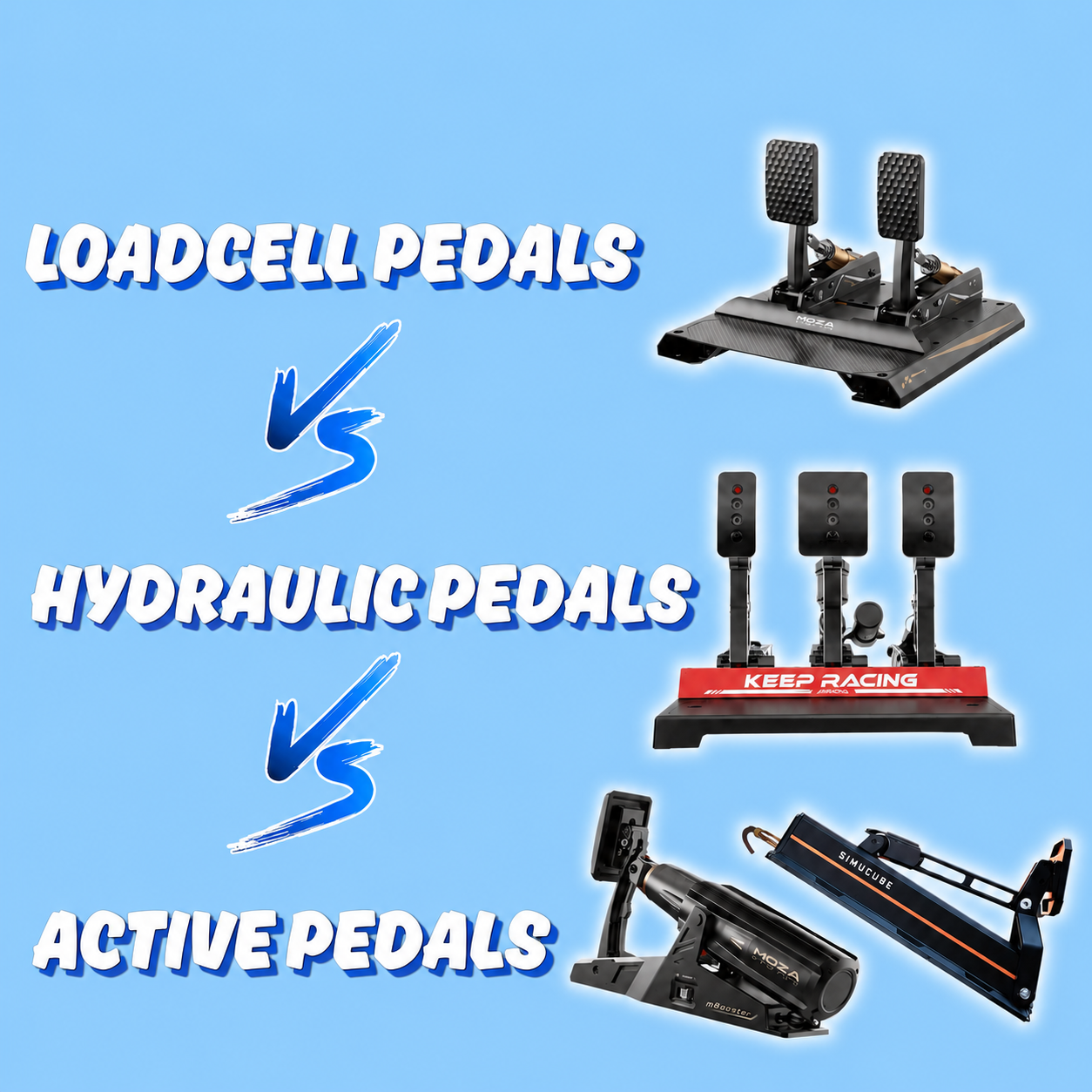
You might think pedals are secondary to the wheel, but experienced sim racers will tell you otherwise. Proper pedal sets with load cell brakes transform your racing by giving you the same muscle memory you'd develop in a real car. The resistance feels natural, and your lap times will thank you for it.
Budget options typically use potentiometer sensors that measure position, while premium pedals incorporate load cells that measure force. The difference? You'll brake more consistently and with greater confidence when you're working against resistance rather than just pushing a spring.
The sim racing gear market caters to everyone from curious beginners to professional esports athletes. Understanding which category matches your commitment level helps you avoid both under-buying and overspending.
Starting with sim racing doesn't require a massive investment. You can build a genuinely enjoyable setup for less than a thousand dollars, and honestly, you should probably start here unless you're absolutely certain this hobby will stick.
Component |
Budget Option |
What You Get |
|---|---|---|
Wheel Base |
Gear-driven |
Decent feedback, some noise |
Pedals |
2-3 pedal set |
Basic resistance, potentiometer sensors |
Mounting |
Desk clamp or entry cockpit |
Functional but may flex |
Additional |
Basic rim |
Usually plastic, adequate grip |
This is where most serious sim racers eventually land. You're getting equipment that will last years and deliver an experience that's genuinely thrilling. The jump in quality from entry-level to mid-range is substantial.
Key improvements at this level:
Belt-driven or entry direct drive bases
Load cell brake pedals as standard
Solid aluminium cockpits with minimal flex
Interchangeable wheel rims for different disciplines
Better software integration and customization
Many racers find this sweet spot perfectly balances performance with value. You're not paying premium prices for marginal gains, but you're also not compromising on the features that genuinely matter.
If you're chasing every tenth of a second or you've decided sim racing is your primary hobby, premium sim racing gear delivers measurable advantages. Direct drive motors provide incredible detail, hydraulic pedals feel indistinguishable from real race cars, and professional-grade cockpits become part of your home furniture.
Professional drivers actually use these setups for training. The equipment choices at this level focus on absolute precision and reliability.
You've got your budget sorted, but how do these components actually come together? Let's walk through the practical considerations that first-time buyers often overlook.
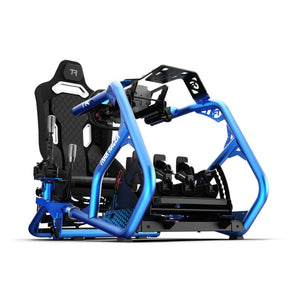
This decision affects everything else. Desk mounts save space and money, but they limit your upgrade path. A proper cockpit provides stability and adjustability that transforms your racing experience.
Desk mounting works if you're tight on space or sharing your gaming area. The downside? You'll be setting up and packing away your equipment regularly, and the desk itself might flex during aggressive racing. Not ideal when you're fighting for position through a tight chicane.
Dedicated cockpits solve these problems but demand floor space. Consider whether you have a spare room, garage space, or dedicated gaming area before committing to a full rig. The motion simulator technology available today can even add physical movement to your setup, though that's definitely advanced territory.
Here's something that catches people out regularly: not all sim racing gear works with every platform. Before you buy anything, confirm compatibility with your gaming platform and preferred racing titles.
Platform considerations:
PC offers the widest compatibility and most settings flexibility
PlayStation requires officially licensed products for many features
Xbox has similar licensing requirements
Some equipment works across platforms, others don't
Check the manufacturer's specifications carefully. That amazing deal might not seem so great if it doesn't work with your PlayStation or Xbox setup. PC racers have the most freedom here, but console compatibility has improved significantly over the past few years.
Once you've nailed the basics, several accessories can elevate your experience from good to exceptional. These aren't essential for your first setup, but they're worth budgeting for down the track.
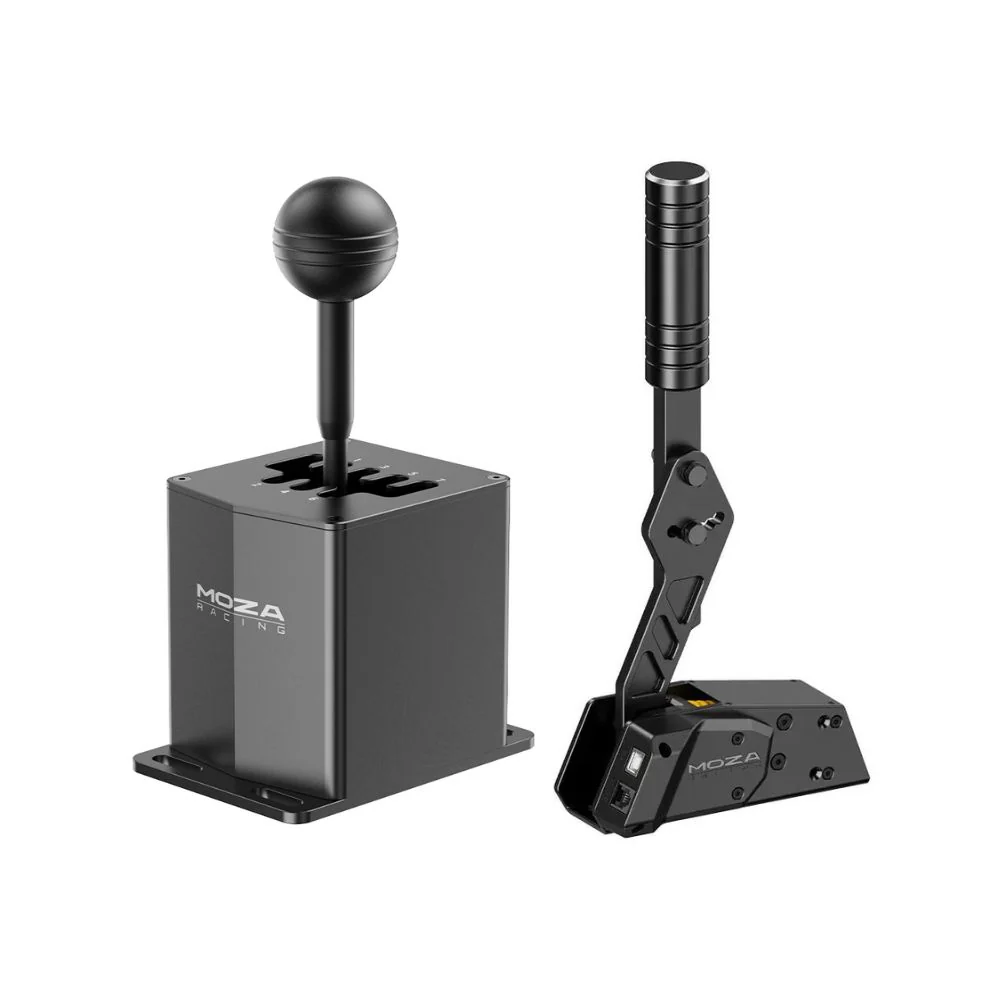
Automatic transmission is fine for F1-style racing, but if you're into rally, drifting, or classic motorsport, proper shifters add another dimension. Sequential shifters suit modern race cars, while H-pattern shifters are essential for vintage racing and realistic street car simulation.
Handbrakes might seem niche, but rally and drifting enthusiasts consider them non-negotiable. The satisfying clunk of a mechanical shifter or the resistance of a hydraulic handbrake creates tactile feedback that button-based alternatives simply can't match.
Racing simulators have grown complex, with pit strategy, fuel management, and countless adjustable settings. Button boxes centralise these controls within easy reach, while dashboard displays show vital telemetry without cluttering your screen.
Component Type |
Primary Use |
Typical Price Range |
|---|---|---|
Button Box |
Quick access to common functions |
$150-$400 |
Dashboard Display |
Telemetry and race information |
$200-$600 |
Shifter (Sequential) |
Modern race cars, rally |
$200-$500 |
Shifter (H-Pattern) |
Street cars, vintage racing |
$150-$400 |
Handbrake |
Rally, drifting |
$150-$350 |
These additions become more appealing as you spend more time racing. Initially, keyboard shortcuts work fine, but eventually, you'll want everything at your fingertips for that immersive experience.
The sim racing gear market has its share of traps for unwary buyers. Let's talk about mistakes that cost Australian racers money and frustration.
Extremely cheap equipment from unknown brands might seem tempting, but there's a reason budget sim racing gear requires careful evaluation. Poor build quality, terrible customer service, and products that break within months are common complaints.
This doesn't mean you need top-tier everything, but stick with recognised brands that have established reputations. The entry-level offerings from Logitech, Thrustmaster, and Fanatec might cost more than mystery Amazon listings, but they'll actually last.
Racing for hours in an uncomfortable position kills the enjoyment fast. Your seating position, wheel distance, and pedal angle all matter enormously. Before finalising any cockpit purchase, research proper racing ergonomics.
Critical measurements to get right:
Seat-to-wheel distance (should allow slight elbow bend)
Pedal angle (typically 45-65 degrees from horizontal)
Wheel height (aligned with your chest)
Monitor distance (close enough to fill peripheral vision)
Adjustability becomes crucial here. Your first setup probably won't be perfect, so equipment that allows fine-tuning saves you from expensive replacements later.
When you're investing significant money into sim racing gear, customer support matters. Equipment fails occasionally, and you want confidence that someone will help when it does. Before purchasing from any retailer, check their warranty terms and customer service reputation.
Australian buyers should prioritise local retailers who understand our consumer protection laws and can provide timely support. Ordering directly from overseas might save money initially, but warranty claims become complicated and expensive when shipping is involved. That's where working with established Australian retailers makes sense, especially for more expensive equipment.
Smart sim racers don't buy everything at once. Building your rig progressively lets you learn what matters to you personally while spreading the cost over months or years.
Most racers follow a similar progression that maximises value at each step. Start with a decent wheel and basic pedals, then upgrade the pedals before investing in a better wheel base. This might seem counterintuitive, but better pedals improve your lap times more than a fancier wheel.
After pedals, focus on your mounting solution. Moving from a desk mount to a proper cockpit transforms stability and comfort. Only then should you consider upgrading to direct drive motors or adding specialised peripherals.
You'll know it's time to upgrade when your current equipment genuinely limits your performance or enjoyment. If you're consistently maxing out your wheel's force feedback settings, a stronger base makes sense. If you're fighting pedal flex mid-corner, better pedals are justified.
But if you're just lusting after the latest release? Maybe wait. Sim racing gear holds its value reasonably well, but constantly churning through equipment gets expensive quickly. Master your current setup first, then upgrade with purpose.
You've done your research, know your budget, and understand what you need. How do you actually pull the trigger on the right sim racing gear?
Not all reviews are created equal, and understanding potential biases helps you separate genuine insights from marketing hype. Look for reviewers who actually race competitively and can comment on long-term reliability, not just unboxing impressions.
Written reviews from established publications provide detailed specifications and comparisons. Video reviews offer visual context that helps you understand size, build quality, and real-world usage.
Cross-reference multiple sources. If every review mentions the same weakness, it's probably legitimate. If one reviewer loves something everyone else criticises, dig deeper to understand why.
Whenever possible, try equipment before committing. Some retailers maintain showrooms where you can experience different setups firsthand. The difference between reading about direct drive force feedback and actually feeling it is substantial.
Can't test in person? Look for retailers with solid return policies. Knowing you can return equipment that doesn't meet expectations reduces purchase anxiety significantly. Check the frequently asked questions from any retailer you're considering to understand their policies clearly.
Sim racing gear doesn't follow strict seasonal sales patterns like some industries, but certain times offer better value. Major racing game releases often coincide with promotions, and end-of-financial-year sales can deliver genuine savings.
Don't wait indefinitely for the perfect deal though. Prices on established equipment remain relatively stable, and the enjoyment you'll get from months of racing often outweighs saving a few hundred dollars by waiting.
You've made your purchases and the boxes have arrived. Proper setup ensures you extract maximum performance and longevity from your investment.
Take your time during assembly. Rushing through cockpit construction or wheel calibration leads to problems later. Follow manufacturer instructions precisely, especially for electronic components.
Cable management might seem trivial, but tangled cables get damaged, create trip hazards, and look terrible. Invest in cable ties and routing solutions from the start. Your future self will appreciate the clean aesthetic and easier troubleshooting.
Every piece of sim racing gear requires calibration for optimal performance. Wheels need force feedback tuning, pedals need dead zone adjustment, and most equipment benefits from custom sensitivity curves.
Don't rely entirely on default settings. Spend time in practice sessions adjusting force feedback strength, dampening, and spring effects until everything feels natural. This process varies by simulation title, so expect to tweak settings for each racing game you play.
Quality equipment lasts years with basic maintenance. Keep moving parts clean and lubricated according to manufacturer specifications. Check mounting bolts periodically as vibration can loosen connections over time.
Wheel rims develop shine from hand oils, so occasional cleaning maintains grip and appearance. Pedal mechanisms appreciate occasional lubrication, and electronic components benefit from dust-free environments. Simple care extends equipment life significantly.
Sim racing isn't a solo pursuit. The community around this hobby provides incredible value through shared knowledge, setup advice, and friendly competition.
Online communities, Discord servers, and racing leagues connect you with people who share your passion. Whether you're troubleshooting technical issues or looking for racing partners at your skill level, these communities deliver.
Australian sim racing groups specifically can provide local insights on equipment availability, shipping considerations, and meetups. The time zone alignment alone makes regional communities valuable for organised racing.
Getting fast requires more than good equipment. Comprehensive guides for beginners cover everything from race craft fundamentals to advanced tuning techniques. YouTube channels dedicated to sim racing offer setup guides, race analysis, and endless entertainment.
Many professional racing drivers share their knowledge through tutorials and masterclasses. Their insights into racing lines, braking points, and racecraft translate directly from virtual to physical motorsport.
Building your sim racing gear collection is a journey that combines technical research with personal preference and budget reality. The right equipment enhances your enjoyment and helps you develop genuine driving skills, but the most important factor is choosing gear that matches your commitment level and upgrade ambitions. Whether you're just starting with an entry-level bundle or assembling a professional-grade setup, Gamer Gear Direct provides expert guidance and quality products to Australian sim racing enthusiasts at every level, ensuring you find exactly what you need to get racing.