



Indoor Golf Simulator Cost Guide: Your 2025 Starter Handbook
|
|
Imagine stepping into your lounge room and perfecting your golf swing, no matter what the weather is doing outside. The dream of year-round practice and family fun is more achievable than ever with modern indoor golf technology.
But before you dive in, you’re probably wondering about the real indoor golf simulator cost in 2025, especially here in Australia. This guide is here to clear up the confusion and help you weigh up all the expenses, options, and long-term value.
Picture the convenience of skipping the drive to the course, saving money on range fees, and making real improvements to your game from home. That’s the kind of freedom and savings you could unlock.
Ready to find the right simulator for your budget and needs? Let’s break down everything you need to know so you can make a confident, informed choice.
Ever wondered what it would be like to step onto the green without leaving your living room? An indoor golf simulator makes that possible, offering a realistic golf experience at home or work. But when you start looking into indoor golf simulator cost, it helps to first understand what you’re actually getting.
At its core, an indoor golf simulator combines several key components:
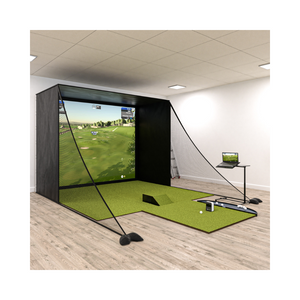
Simulators come in all shapes and sizes. Basic setups might use a portable launch monitor and a net, perfect for casual practice or family fun. On the other hand, advanced professional systems feature high-speed cameras, 3D tracking, and ultra-accurate data, making them ideal for coaching or commercial venues.
Let’s compare the main differences:
| Feature | Budget Setup | Commercial-Grade System |
|---|---|---|
| Launch Monitor | Entry-level, portable | High-speed, multi-sensor |
| Hitting Mat/Screen | Standard, smaller | Durable, full-size |
| Software | Basic, fewer courses | Premium, global courses |
| Typical Use | Home, beginners | Pro coaching, businesses |
| Indoor Golf Simulator Cost | $3,000–$8,000 | $20,000+ |
No matter which you choose, most simulators offer impressive features like ball tracking, swing analysis, multiplayer modes, and access to virtual versions of world-famous courses. This means you can sharpen your skills, play with family, or even challenge mates online.
Why are Aussies jumping on board? The benefits are hard to ignore: year-round practice regardless of weather, measurable skill improvement, and entertainment for all ages. In fact, recent data shows rapid growth in simulator adoption across Australia, with more golfers investing in home systems every year. For a deeper dive into the different types, features, and what shapes indoor golf simulator cost today, check out the Golf Simulator Guide 2025.
So whether you’re dreaming of a simple home setup or a pro-level simulator, understanding the basics gives you a head start in finding the right fit for your needs and budget.

Curious about the real numbers behind the indoor golf simulator cost in 2025? Let’s break down each factor so you know exactly what to budget for, whether you’re after a simple home setup or dreaming of a pro-level golf cave.

The biggest slice of the indoor golf simulator cost pie is hardware. Launch monitors, the brain of your simulator, range from $800 for basic models to over $10,000 for pro-grade accuracy. Projectors and screens vary, too: entry options start at $600, while ultra-clear, high-lumen projectors can climb to $3,000. Hitting mats and enclosures swing between $300 for basic mats and up to $3,500 for full enclosures.
Here’s a quick comparison:
| Component | Entry-Level | Premium/Pro |
|---|---|---|
| Launch Monitor | $800 – $2,500 | $5,000 – $10,000+ |
| Projector & Screen | $600 – $1,500 | $2,000 – $3,000 |
| Hitting Mat | $300 – $700 | $1,200+ |
| Enclosure/Net | $500 – $1,000 | $2,000 – $3,500 |
Expect overall hardware costs to rise slightly in 2025, with new tech pushing up the high end. For more details, check out this How Much Does a Golf Simulator Cost guide for real Aussie examples.
The heart of any simulator is the software, which brings virtual fairways to life. Some packages require a one-off payment (from $500), while others use a subscription model (typically $200–$600 per year). Want to play on famous local or international courses? Access to premium courses or multiplayer modes often means extra fees, starting at $50 per course or bundled yearly for $300–$700.
When budgeting for your indoor golf simulator cost, factor in potential upgrades and add-ons, like advanced analytics or swing tracking. Comparing leading software options is vital, as feature sets and pricing can differ widely.
Space is a major consideration. Most setups need a room at least 3m wide, 5m long, and 2.7m high. DIY installation can save on the indoor golf simulator cost, running from $500–$1,000 for materials and tools. Professional installation, which includes calibration and safety checks, may range from $1,500 up to $4,000, depending on your home and complexity.
Don’t forget about electrical needs, reliable internet, and good lighting. Soundproofing is a smart move for peace at home, especially if you’re planning late-night sessions. Typical installation costs in Aussie homes sit between $2,000 and $5,000 all up.
Once your simulator is running, there are ongoing costs to keep in mind. Hitting mats and screens will show wear after heavy use, needing replacement every 1–3 years. Annual software updates often come free with subscriptions, but older hardware may need compatibility upgrades, adding to your indoor golf simulator cost.
Accessories like new clubs, sensors, or gaming peripherals can tempt you to splurge. Set aside $200–$500 a year for general maintenance. Extended warranties, while adding a couple hundred upfront, can save you headaches later and often pay for themselves.
Choosing the right setup means understanding what drives the indoor golf simulator cost up or down. Let’s break down the main influences, so you know exactly where your money is going and how to get the best bang for your buck.

The biggest factor shaping indoor golf simulator cost is technology. Entry-level systems use basic launch monitors and simple ball tracking, which keeps prices lower. Advanced simulators, though, feature high-speed cameras, infrared sensors, and 3D tracking for pinpoint accuracy.
With more data and real-time analysis, the experience gets closer to real golf. This tech leap can mean a huge price jump. For instance, a basic setup might cost a few thousand dollars, while a pro-grade system can exceed $20,000. If you want a deeper dive on how technology is driving growth and pricing in Australia, check out the Australia Golf Simulator Market Size & Outlook.
Your available space will also play a major role in indoor golf simulator cost. Got a spare room with high ceilings? You might get by with a standard kit. But if your area is tight, or you want a fully integrated look, custom enclosures and modifications come into play.
Custom-built simulator rooms, like a recent project in a Sydney home, often include tailored lighting, soundproofing, and décor matching the rest of the house. These extras can add thousands to your overall spend, but they turn your simulator into a real showpiece.
Well-known brands typically command a higher indoor golf simulator cost, but they often justify it with long-term reliability. Consider the warranty length and what's covered—some brands offer generous support, speedy repairs, or even on-site service.
Local customer support can be invaluable if things go wrong. While you might pay more upfront, the peace of mind and potential savings on future repairs can make a premium brand worth it.
Accessories may seem optional, but they can quickly drive up your indoor golf simulator cost. Think about adding ball dispensers, club racks, or comfy seating for your guests. Popular extras in Australia include putting greens, swing cameras, and even bar fridges for a true entertainment vibe.
These add-ons can enhance your experience, but always factor them into your budget. Sometimes, a bundled package with accessories included will offer better value than buying each item separately.
Dreaming of your own indoor golf setup but unsure where to start? Let’s break it down into four simple steps so you can find the perfect fit for your goals, space, and budget. Here’s how to navigate the indoor golf simulator cost landscape with confidence.

Start with your why. Are you after personal practice, family fun, or planning for commercial use? Your answer shapes the ideal setup and, importantly, influences your indoor golf simulator cost right from the get go.
If you’re a casual golfer, you might focus on basic swing feedback and fun virtual courses. A professional, on the other hand, will look for advanced analytics and realistic conditions. Consider how often you’ll use it. More frequent sessions may justify a higher upfront spend for durability and features.
Think about who will use the simulator. Will it be just you, or do you want multiplayer options for friends or clients? Your goals will guide every other choice you make.
Next up, measure your available area. The indoor golf simulator cost can vary a lot depending on space requirements. Ideally, you’ll need at least 3m x 5m of floor space and a 2.7m ceiling for a safe, comfortable swing.
Check for obstacles like low lights or ceiling fans. In smaller homes or apartments, creative solutions like retractable screens or compact enclosures can make a big difference. Safety matters, so ensure there’s enough room behind and beside the hitting area.
If you’re tight on space, look for simulators designed for small rooms. Some brands offer flexible setups that maximise limited square footage. Planning ahead saves you from costly mistakes later.
Now, let’s talk numbers. The indoor golf simulator cost typically falls into three brackets: entry-level ($3,000–$7,000), mid-range ($8,000–$18,000), and high-end ($20,000+). Think about what you can comfortably spend, but also consider long-term value.
Balance upfront costs like hardware and installation with ongoing expenses such as software subscriptions and maintenance. Don’t forget hidden costs, including electrical upgrades or soundproofing.
Here’s a quick table for reference:
| Budget Level | Typical Spend | Features |
|---|---|---|
| Entry-Level | $3,000–$7,000 | Basic tracking, limited courses |
| Mid-Range | $8,000–$18,000 | Better accuracy, more features |
| High-End | $20,000+ | Pro-grade, full analysis, luxury |
Setting a clear budget helps you prioritise features and avoid surprises.
Finally, do your homework. Compare brands, models, and features to see which offers the best value for your indoor golf simulator cost. Read reviews, join online forums, and if possible, try demo units at golf centres.
Focus on key features: ball tracking accuracy, available courses, and upgrade paths. After-sales support and warranty are also important for peace of mind.
For more detailed advice on setting up your simulator and maximising your investment, check out the Home Golf Sim Guide: Expert Tips.
Remember, the best choice is the one that fits your needs today and allows room to grow tomorrow.
Curious about what an indoor golf simulator cost looks like in practice? Let’s break it down with some real-world examples, so you can see exactly where your money goes and what kind of value you can expect.
Thinking about installing a simulator at home? A basic indoor golf simulator cost for Australian households in 2025 starts at around $4,000 for a DIY kit, including a budget launch monitor, mat, net, and entry-level software. If you want something a bit fancier with a premium launch monitor, high-quality projector, and a larger hitting bay, mid-range setups typically land between $8,000 and $15,000.
Here’s a quick comparison:
| Setup Type | Approx. Cost (AUD) | Key Inclusions |
|---|---|---|
| DIY Basic | $4,000–$6,000 | Net, mat, entry launch monitor |
| Mid-Range | $8,000–$15,000 | Screen, better monitor, software |
| High-End | $20,000+ | Premium gear, full enclosure |
DIY setups can save you thousands, especially if you follow resources like the Complete Golf Simulator DIY Guide. This guide helps you avoid common pitfalls and stretch your budget further.
For commercial venues or coaching studios, the indoor golf simulator cost jumps considerably. Expect to invest $30,000 to $70,000 for a high-traffic, professional-grade system. This includes robust launch monitors, advanced simulation software, commercial enclosures, and ongoing support.
A typical Sydney golf centre investing in a mid-tier system might see costs like:
These setups cater to frequent use, multiple users, and require strong after-sales support. The Australia Golf Simulator Market Outlook notes rapid market growth, so commercial operators are seeing improved ROI timelines as demand rises.
Wondering if the indoor golf simulator cost is justified? For home users, the long-term savings can be significant. Compare the price of dozens of driving range visits, travel costs, and weather delays with a once-off investment that gets you year-round play.
Simulators also hold their value well. As tech advances, you can often upgrade components or resell your setup to recoup some of your spend. For businesses, the draw of premium experiences and coaching fees can offset initial costs within a couple of years.
Not ready to pay the full indoor golf simulator cost upfront? Many Australian suppliers offer payment plans, letting you spread the cost over months or even years. Rentals are also available for those who want to test before committing.
Here are some pros and cons:
No matter your approach, there’s a solution that can fit your budget and lifestyle.
Looking to stretch your dollar further on indoor golf simulator cost? With the right strategy, you can enjoy a premium setup without blowing your budget. Here are practical, Aussie-focused ways to save while still getting the features you want.
Buy Used or Refurbished Equipment
Second-hand or refurbished gear can dramatically lower your indoor golf simulator cost. Many Australians upgrade as technology improves, so gently used launch monitors, mats, or projectors often hit the market. Just check warranties and test before buying, as some wear and tear is inevitable.
Bundle Components for Package Deals
Suppliers often discount when you buy a complete simulator package. Bundling a launch monitor, mat, screen, and software can shave hundreds off your total. Always compare package pricing versus buying items separately, and ask about seasonal promotions or custom bundles.
Time Your Purchase
Want the best indoor golf simulator cost? Shop during end-of-financial-year sales, Black Friday, or when new models launch. Retailers clear old stock at big discounts, so patience pays off. Mark your calendar for major sale events and keep an eye on local supplier newsletters.
Upgrade Gradually
You do not need to go all-in at once. Start with a basic setup and add features as your skills and needs grow. Spreading out purchases means you can invest in higher quality components over time, making the indoor golf simulator cost easier to manage.
Leverage Community Resources
Tap into local golf clubs and online forums for advice, reviews, and sometimes even group buys. Many Aussies share insights on where to find the best deals or how to negotiate extras. For broader trends and adoption rates, check out the Golf Simulator Adoption Statistics to see how others are maximising value.
Explore Tax Deductions
If you use your simulator for coaching or business, certain costs may be tax-deductible. Consult a tax professional to understand what applies to your situation. This can make a big difference in your overall indoor golf simulator cost.
Example: Aussie Golfer's 20% Savings
One Australian golfer saved 20% by buying a bundled package during an EOFY sale and using advice from a local club. They started small, then added premium software later, maximising every dollar.
With a little planning and smart timing, you can get the most from your investment and keep your indoor golf simulator cost firmly under control.


