


Everything You Need to Know About Building An Immersive Motion Sim Racing Setup
|
|
Motion sim racing can feel incredible when it's set up properly. It can also feel distracting, uncomfortable, and expensive if the core setup isn't right before motion gets added.
After testing racing simulator hardware at our Dandenong South showroom, one thing is clear: motion works best when it's part of a balanced rig. A strong cockpit, secure pedal plate, direct drive wheelbase, stable display setup, clean cable routing, and well-calibrated software all play a role.
This guide breaks down what we’ve learned from hands-on testing, showroom demos, customer conversations, and real setup checks. You’ll learn what motion sim racing actually adds, which parts deserve the most attention, what mistakes to avoid, and how to plan a setup that feels realistic instead of overdone.
If you’re still planning the base of your rig, start with a strong racing simulator cockpit before adding motion hardware.
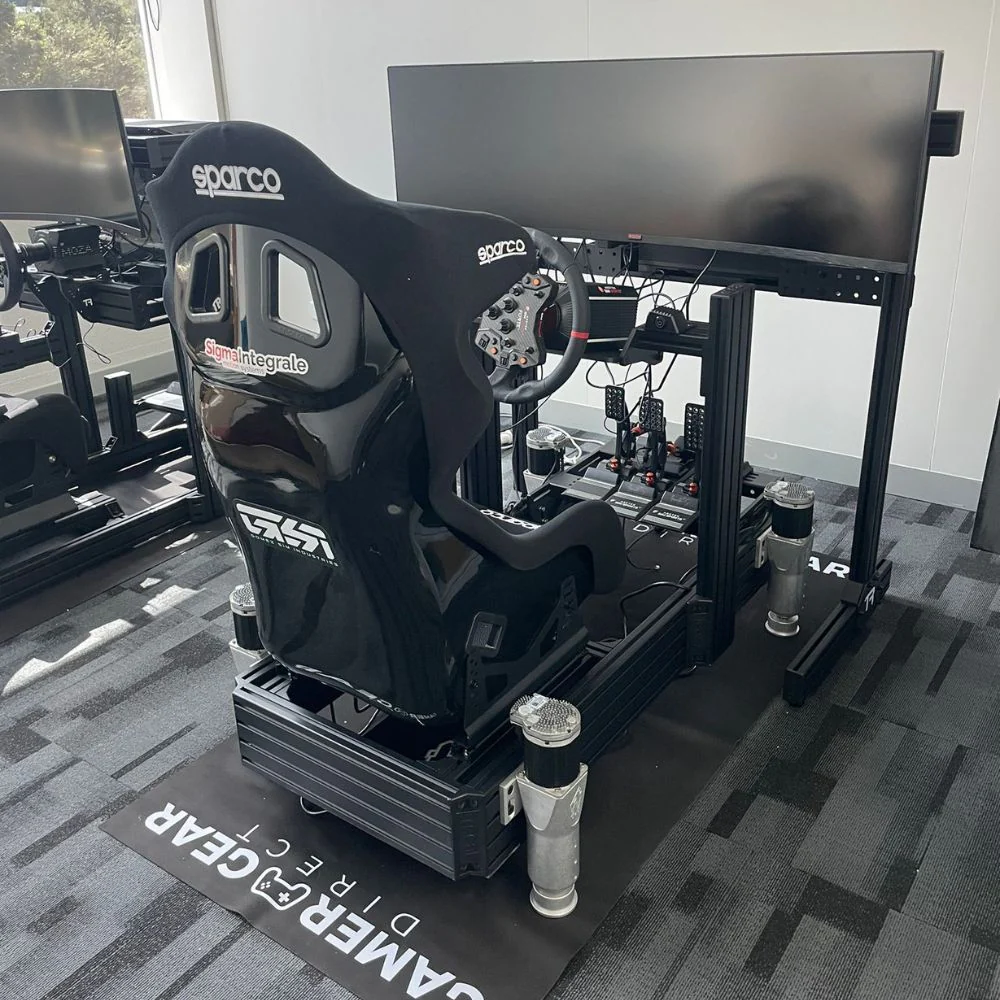
The team here at Gamer Gear Direct has tested motion sim racing setups using a mix of rigid cockpits, direct drive wheelbases, load cell pedals, monitor setups, haptic accessories, and motion-ready frames.
During testing, we looked at the things you’ll notice once the rig starts moving:
cockpit flex under braking
pedal plate movement
seat mounting strength
actuator clearance
steering wheel stability
cable routing
noise and vibration
software setup
comfort during longer sessions
how natural the motion feels while driving
The biggest takeaway?
Motion sim racing isn’t about making the rig move as much as possible. The best setups use motion to give you extra driving cues without making the experience feel like a theme park ride.
A static racing simulator can still be very realistic. A direct drive wheelbase gives you steering detail. Load cell pedals improve braking consistency. A strong cockpit keeps everything stable.
Motion sim racing adds another layer of feedback through your body.
When it’s tuned correctly, you can feel more of what the car is doing. Braking can create a forward pitch sensation. Cornering can create roll. Kerbs, bumps, gear shifts, and road texture can feel more physical. Some systems can also add surge, traction loss, or vertical movement, depending on the design.
This doesn’t mean motion instantly makes you faster. In our showroom testing, drivers often needed time to adjust. Some people felt more connected straight away. Others had to reduce motion intensity before the rig felt natural.
That’s why we usually recommend starting with controlled, realistic motion cues instead of aggressive profiles. Too much movement can make braking points, steering input, and screen alignment feel disconnected.
The difference between static and motion sim racing comes down to body feedback.
A static rig relies on your hands, feet, ears, and eyes. You feel force feedback through the wheel, pressure through the pedals, and visual speed through your screen or VR headset.
Motion sim racing adds movement through the seat or cockpit. This can make braking zones, elevation changes, kerb strikes, and traction changes easier to interpret. It can also make long sessions more immersive because your body receives more feedback from each lap.
But motion won’t fix a weak rig. If your cockpit flexes, your pedal plate moves, or your wheelbase mount shakes, motion can make those issues more obvious. We’ve tested setups where the motion system was impressive, but the frame holding it back made the whole rig feel less precise.
Before you invest in motion, make sure your base setup is solid. A strong frame, quality sim racing pedals, and a stable wheel mount should come first.
///////
Not every motion system works the same way. Before choosing a setup, it helps to understand the main options.
A seat mover shifts the seat rather than the whole cockpit. This can create strong body feedback in a compact footprint. It’s often a good option if you have limited space or want motion without moving the entire rig.
From our testing, seat movers can feel surprisingly intense because the movement is focused on your body. The trade-off is that your wheel and pedals stay fixed, so the sensation can feel different from a full-frame setup.
Platform systems move the cockpit or a large section of the rig. Depending on the model, these can simulate pitch, roll, bumps, braking, acceleration, and road texture.
These systems usually need more room, stronger mounting points, and better cable management. They can feel more complete than a seat-only setup because the driver and controls move together.
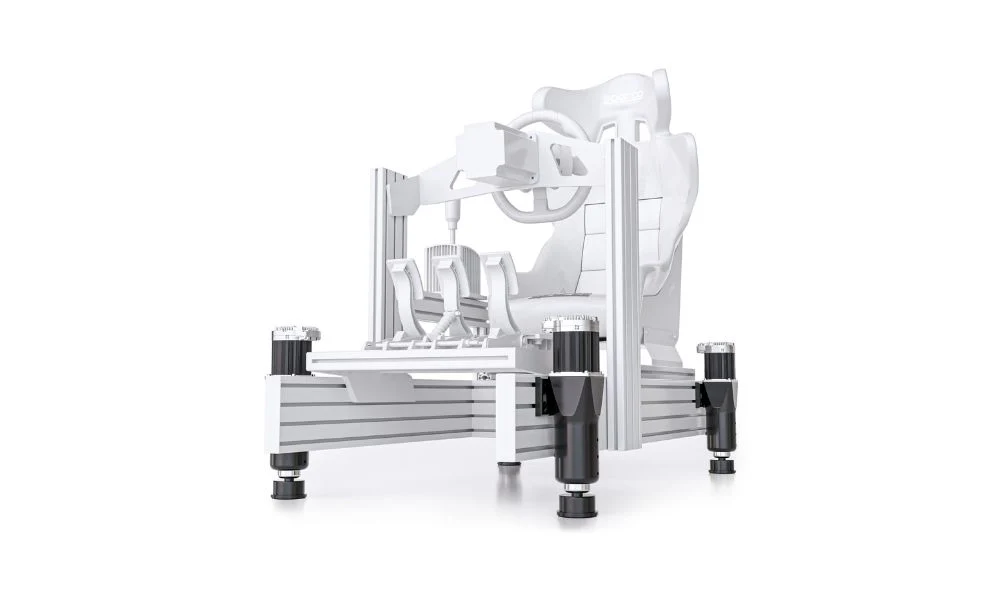
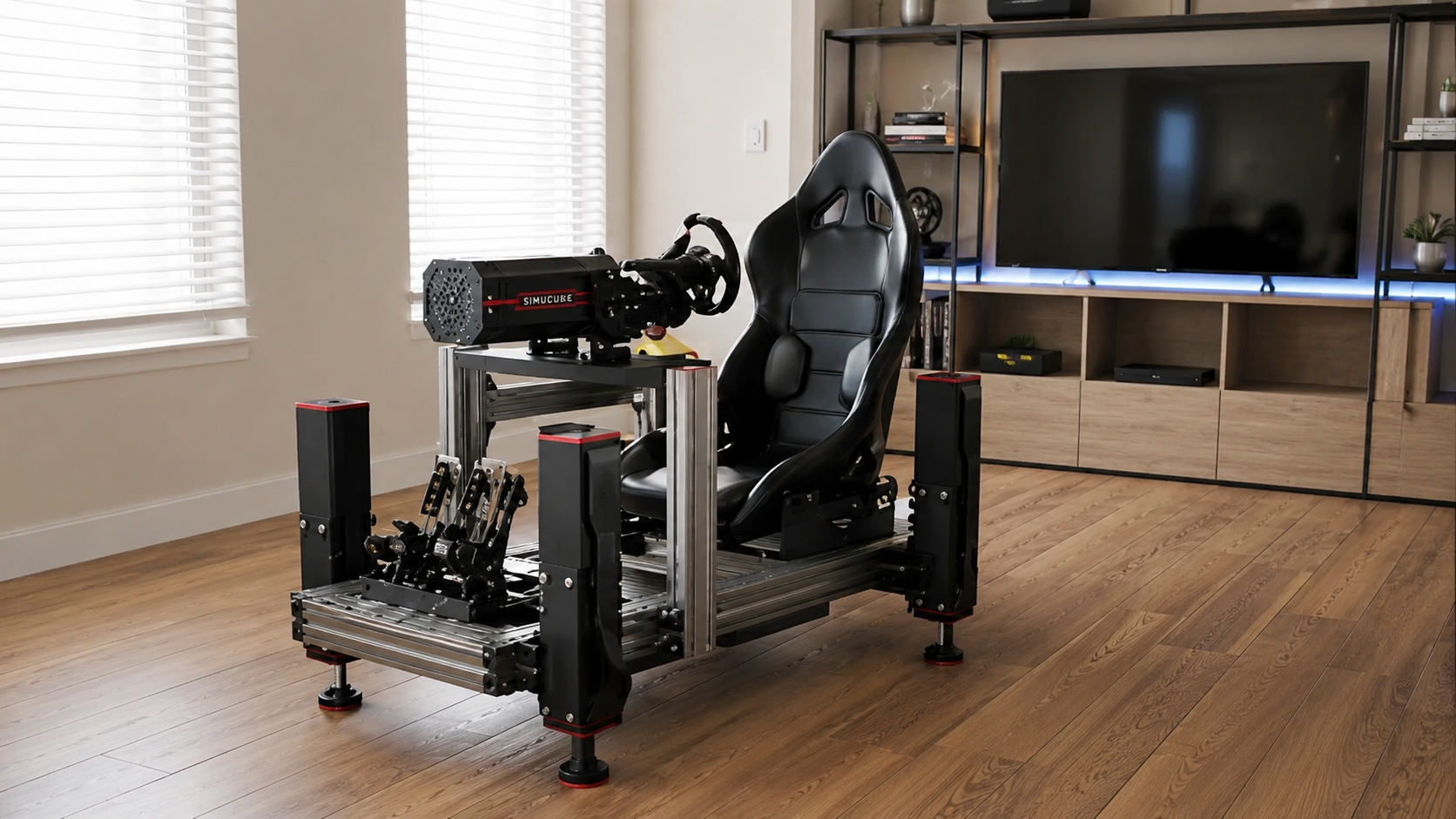
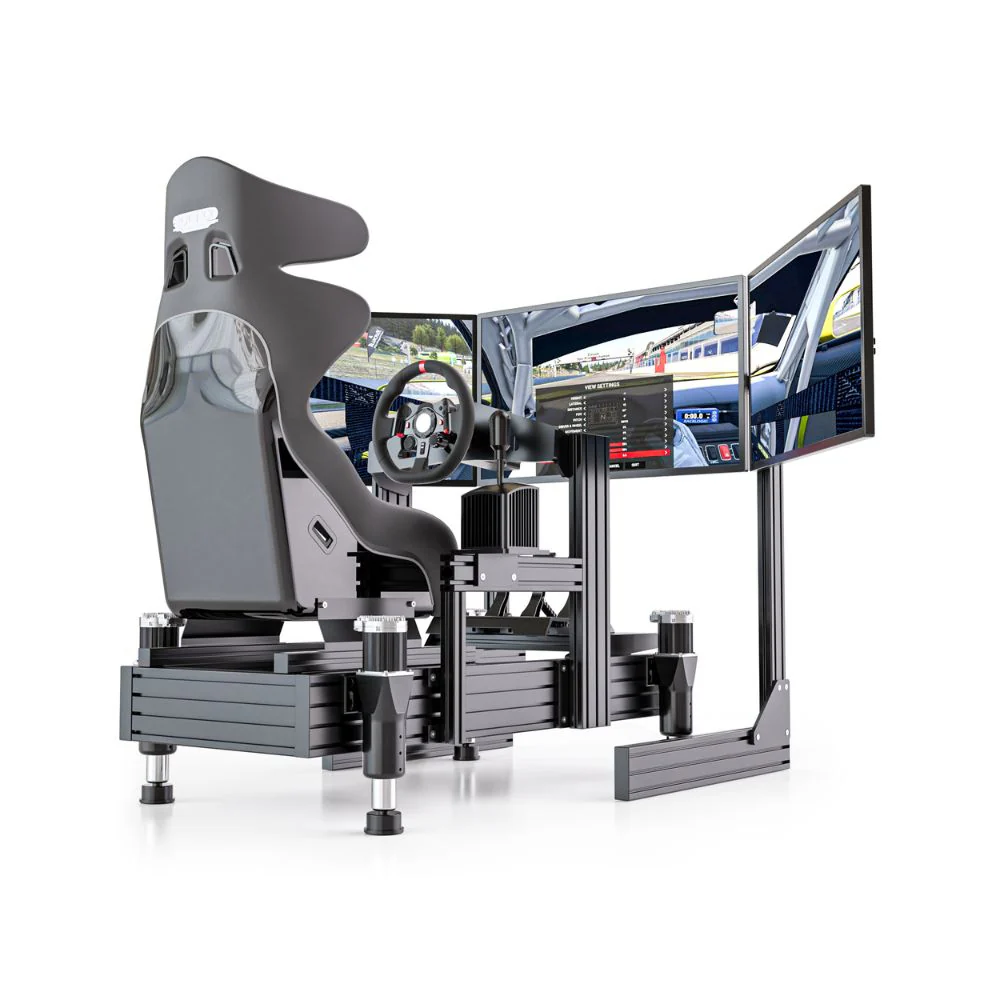
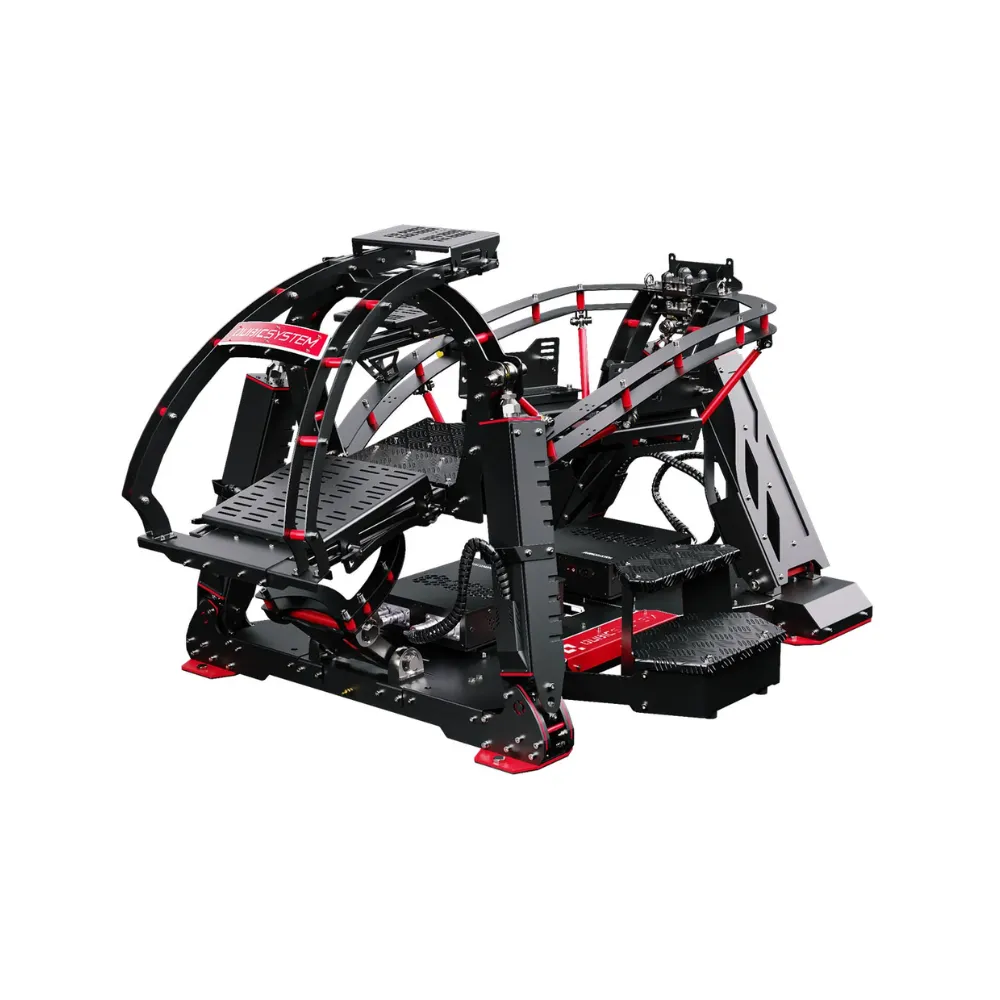
Actuator systems use electric actuators mounted to the frame. These are common in serious motion sim racing setups because they can deliver fast, detailed movement. They’re often used with aluminium profile cockpits or other highly rigid frames.
We’ve found actuator systems reward careful planning. The cockpit needs to be strong, the floor needs to be suitable, and the wiring needs to be neat and protected. They can feel excellent when the installation is clean and the software profile is controlled.
Some motion systems add sideways or forward-back movement to simulate rear-end rotation, braking force, and acceleration cues. These can be brilliant for rally, drift, GT, and formula driving if the profile is tuned properly.
The key is restraint. If traction loss is too strong, the rig can feel exaggerated. When it’s subtle, it can help you sense when the car is starting to rotate.
Building your dream motion sim racing setup starts with understanding the essential components that create a truly immersive experience.
From first-time builders to seasoned enthusiasts, understanding what each part does and how the system works together lays the foundation for epic race nights at home.
The heart of any motion sim racing setup is the motion platform itself. Platforms range from basic 2DOF (degrees of freedom) systems, which simulate pitch and roll, to advanced 6DOF rigs that add heave, surge, and yaw for full-body realism.
You will find actuator-based platforms, where the entire cockpit moves, and seat-mover systems, which move just the seat for a more compact feel. Key features to look for include the range of motion, response speed, and noise levels. For example, the DOF Reality H3 is a favourite for budget-conscious racers.
If you want to go deeper into the tech behind it all, check out Motion Simulator Technology Explained for a clear breakdown.
Every motion sim racing enthusiast knows that the right controls make a world of difference. Direct drive wheelbases offer unmatched force feedback and responsiveness, while belt or gear-driven options are more wallet-friendly but still enjoyable.
Pedals matter, too. Load cell pedals give you a realistic brake feel and better control, while potentiometer pedals are fine for casual racing.
Want to shift gears like a pro? Add a dedicated shifter, handbrake, and maybe a button box for quick in-race adjustments. Make sure your gear is compatible with your preferred platform, whether you are racing on PC, PlayStation, or Xbox.
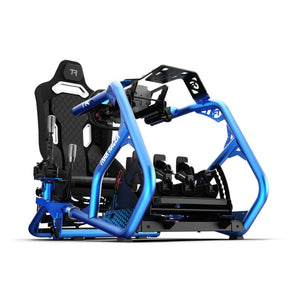
A solid cockpit is the backbone of your motion sim racing rig. Fixed cockpits are sturdy, while adjustable ones let you dial in the perfect driving position. Aluminium profile frames are popular for their strength and upgrade options, but tubular steel frames are still a solid choice for many.
When it comes to seats, bucket seats are great for immersion and support, while reclining seats offer extra comfort for long sessions. Do not forget sturdy monitor stands or a VR mount, and always keep cables tidy for both safety and aesthetics.
To take your motion sim racing to the next level, consider adding haptic feedback devices like tactile transducers. These simulate engine rumble or road texture for a deeper sensory experience. Belt tensioners and wind simulators can make you feel the g-forces and airflow of real racing.
Digital dashboards and telemetry displays add a professional touch, keeping critical data right in your line of sight. Upgrading these accessories can seriously boost your immersion and enjoyment.
When we test motion sim racing setups, we don’t start with maximum movement.
We usually start with a calmer baseline:
lower overall motion strength
controlled braking pitch
subtle cornering roll
mild kerb and bump effects
reduced gear shift kick
limited traction loss
stable camera and display alignment
From there, we adjust one area at a time. GT racing might need a cleaner and more planted profile. Formula racing can handle sharper pitch and kerb response. Rally can benefit from more surface detail and traction movement.
The aim is to make the rig easier to read. If motion makes you miss braking points or overcorrect the car, the profile is too aggressive.
Motion sim racing has more moving parts than a standard racing simulator. Compatibility, setup, comfort, and software support all need to be considered before you commit.
That’s where specialist advice helps. At Gamer Gear Direct, we work with racing simulator customers who are choosing cockpits, wheelbases, pedals, displays, and motion gear for home and commercial use.
Because we’ve tested products in our Dandenong South showroom, we can help you think through the practical details that are easy to miss online: room size, cockpit strength, pedal mounting, motion clearance, display placement, and future upgrades.
If you’re not sure where to start, compare our racing simulator packages or speak with our team about the best path for your space and budget.
Thinking about jumping into motion sim racing but not sure where to start? With so many options available, it can feel like you’re choosing between a go kart and a Formula 1 car.
The good news is there’s a package out there that fits your needs and budget.
Choosing between entry-level and professional motion sim racing packages often comes down to your ambitions and wallet. Entry-level bundles typically include a basic motion platform, a sturdy cockpit, and essential controls. Professional setups throw in advanced motion systems, premium seats, and high-end peripherals.
Here’s a quick comparison:
Feature |
Entry-Level Sim Pack |
Professional Sim Pack |
|---|---|---|
Motion Platform |
2DOF/3DOF basic |
6DOF advanced |
Controls |
Belt or gear drive |
Direct drive, load cell |
Seat |
Reclining or fixed |
Racing bucket |
Accessories |
Minimal |
Full suite (shifter, dash) |
Upgradability |
Limited |
Modular, future-proof |
If you’re after a taste of motion sim racing without breaking the bank, starter packs are a solid bet.
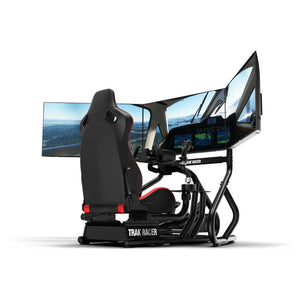
For those chasing ultimate immersion, pro bundles like Trak Racer are worth the investment.
Before you commit, take a step back and ask yourself a few key questions. Motion sim racing gear is an investment, so you want to get it right the first time.
Is your chosen package compatible with your favourite games and existing hardware?
What sort of after-sales support and warranty do local suppliers provide?
Does the setup allow for future upgrades as you improve?
Are you getting real value for money, considering both short-term fun and long-term satisfaction?
Taking the time to weigh these factors can save you from headaches down the track. Talk to other Aussie racers, check out reviews, and don’t be afraid to ask for demo sessions at local showrooms. That way, you’ll know your motion sim racing journey starts on the right foot.
Australia’s motion sim racing market has exploded in recent years, making it easier than ever to find reputable retailers and even try before you buy. Many shops offer consultation, installation, and even hire services if you want to test a rig at home first.
Expect some lead times, especially for pro-level gear, but local suppliers often provide faster delivery and better support than overseas options.
Community forums and review sites can also point you toward trusted sellers and must-have accessories.
Motion sim racing can completely change the way your rig feels, but only when the rest of the setup is ready for it.
Start with a strong cockpit. Add quality pedals. Use a wheelbase that gives you clean feedback. Make sure your display setup is stable. Then add motion with a controlled software profile.
From our hands-on testing, the best motion sim racing setups aren’t the ones that move the most. They’re the ones that give you useful feedback, stay comfortable, and help you feel more connected to the car.
For a rig that feels more physical, more immersive, and more rewarding to drive, motion sim racing is one of the most exciting upgrades you can make.