



Ultimate Guide to F1 Racing Sim: Practical Tips for 2026
|
|
Feel the adrenaline rush of F1 racing from the comfort of your home. With every year that passes, the F1 racing sim world pushes closer to real-world motorsport, and 2026 is set to deliver the most immersive experience yet.
Curious about the latest features, advanced gear, and pro-level strategies? This guide brings you expert tips and deep insights to help you master the F1 racing sim, whether you’re a beginner or a veteran racer.
Dive in and discover everything you need to dominate the track in this ultimate F1 sim guide.
Ever wondered how far the world of F1 racing sim has come? The journey from pixelated tracks to hyper-realistic, adrenaline-pumping experiences is nothing short of thrilling.
Today, you’re about to see how technology, especially in Australia, is reshaping your sim racing journey.
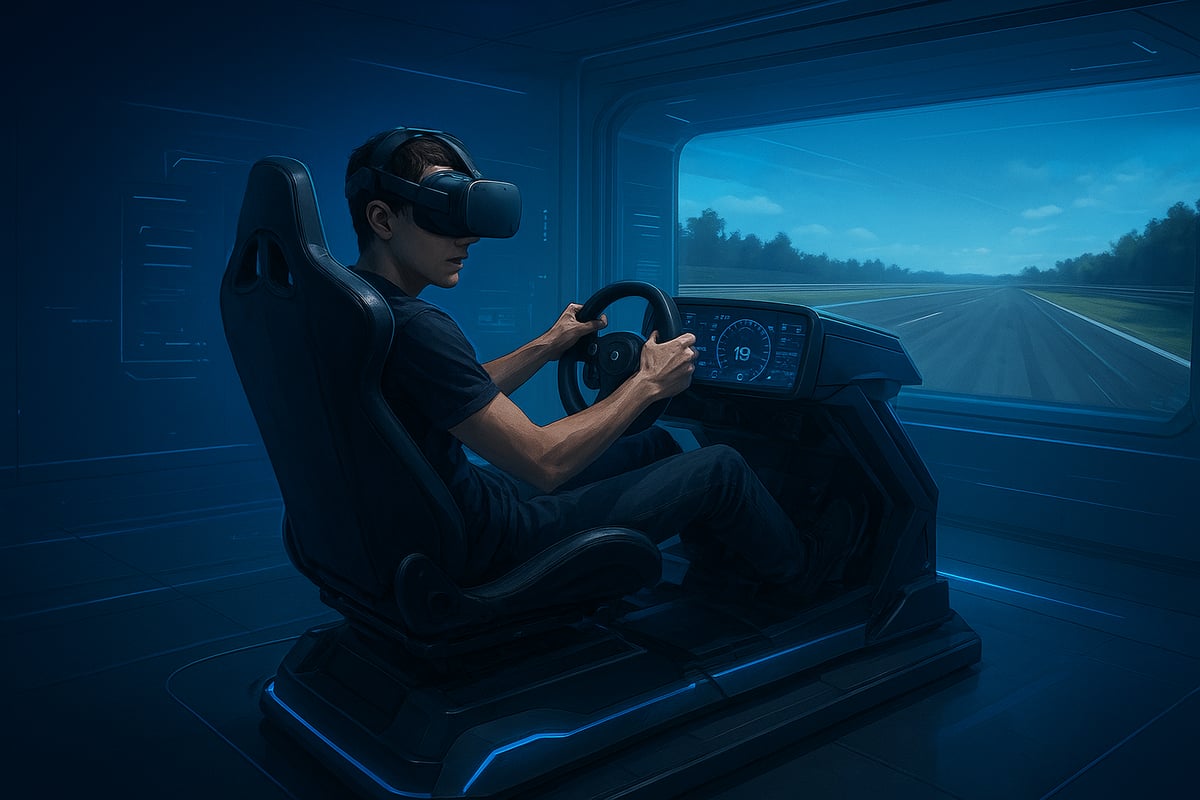
The last decade has seen F1 racing sim popularity surge, especially across Australia. Why? The answer is simple: immersion. With VR technology, you’re not just playing—you’re inside the cockpit, feeling every turn.
Cities like Perth and Melbourne now offer full motion VR racing simulator experiences. You can compare these to traditional setups, and the difference is astonishing. Check out this quick comparison:
Feature |
Traditional Sim |
VR-Enhanced Sim |
|---|---|---|
Immersion |
Moderate |
High |
Motion Feedback |
Basic |
Advanced |
Realism |
Good |
Unmatched |
The adoption of VR in F1 racing sim setups is growing fast. Many enthusiasts are now exploring VR headsets for racing sims to bridge the gap between gaming and real-world racing, making every lap feel authentic.
Let’s take a quick trip down memory lane. The earliest F1 racing sim games, like F1 Racing Simulation 1997, were groundbreaking for their time but limited by basic graphics and simple physics. Fast forward, and you’re now racing on platforms with lifelike visuals, complex physics engines, and AI that reacts just like real drivers.
Single-player experiences have evolved into robust multiplayer worlds, letting you compete with friends or strangers worldwide. Licensing has also improved, so modern titles feature real-world teams, tracks, and even the most accurate 2026 season data. Remember when the 1996 season only had generic cars and circuits? Now, you’re racing with the real deal.
So, what’s changing in F1 racing sim titles for 2026? This year brings a wave of fresh regulation changes, all reflected in the latest simulation platforms. Expect to see enhanced weather systems, dynamic tyre models, and car physics that make you feel like you’re really there.
Esports features are now front and centre, making online competition more intense and rewarding. Developers are constantly updating sims based on player feedback and review scores, pushing the bar for authenticity even higher. With these 2026 updates, the F1 racing sim world is more realistic and competitive than ever before.
Ready to build your dream F1 racing sim setup? Whether you’re a seasoned racer or just starting out, the right gear makes a world of difference. Let’s break down what you’ll need, how to optimise your space, and how to choose the best software for a truly immersive experience.
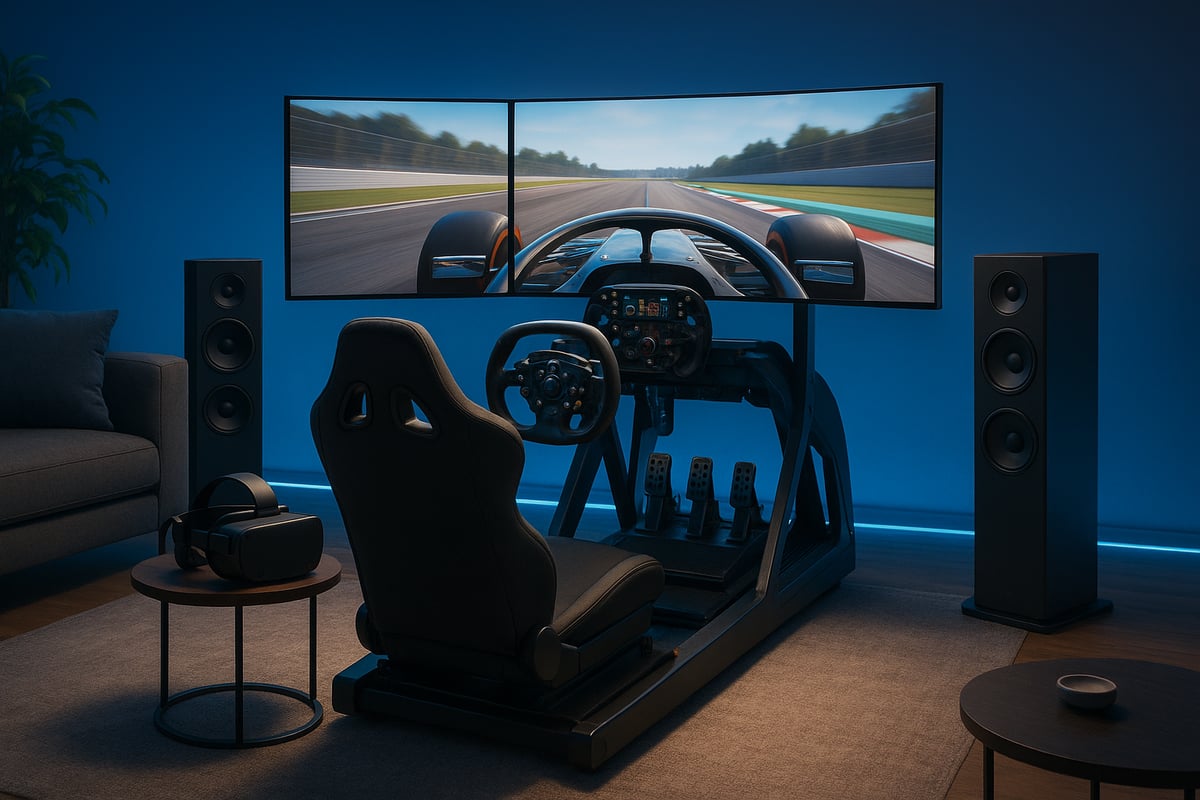
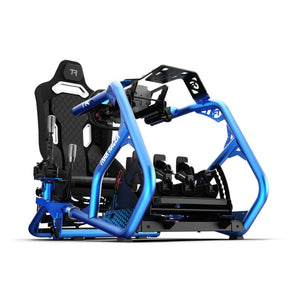
First up, let’s talk hardware. Your platform choice—PC, console, or a dedicated sim rig—sets the stage for your F1 racing sim experience. PCs often offer more customisation and better graphics, while consoles keep things simple and reliable. Dedicated sim rigs take immersion to the next level, letting you feel every bump and kerb.
Here’s a quick comparison of common setups:
Setup Type |
Pros |
Cons |
Price Range |
|---|---|---|---|
Entry-level (console) |
Easy setup, budget-friendly |
Limited upgrades |
$500–$1,000 |
Mid-range |
High graphics, mod support |
More complex install |
$1,000–$2,000+ |
Full sim rig |
Maximum realism, customisable |
Cost, space requirements |
$2,000–$5,000+ |
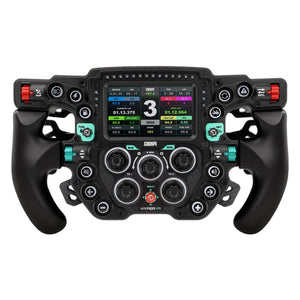
Essential components include a quality steering wheel, responsive pedals, a shifter, and a supportive seat. If you want to push the envelope, VR headsets add jaw-dropping realism. The right hardware transforms your F1 racing sim into a near-authentic racing experience.
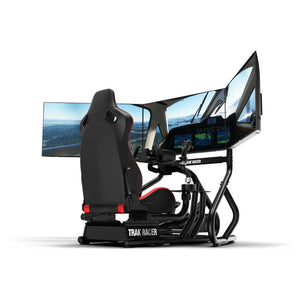
For those keen on the ultimate setup, browse the latest F1 simulator cockpit setups to see what’s possible, from entry-level frames to full motion rigs.
Now, let’s think about your space. A cramped corner just won’t cut it if you want to get the most from your F1 racing sim. Ideally, set up in a dedicated area where you can stretch out and focus. Pay attention to seat position, monitor height, and pedal placement, keeping in mind that good ergonomics keep you comfortable during long stints.
Consider your display: triple screens create a panoramic view, while VR drops you right into the cockpit. Surround sound or quality headphones complete the illusion of speed. Keep distractions to a minimum by organising cables and clearing clutter.
Choosing the right software is just as important as your gear. Look for F1 racing sim titles that feature up-to-date 2026 season data and regular developer support. PC-exclusive sims often offer deeper customisation, while cross-platform options are great for racing with friends.
Staying current is key. Regular software updates and mod support keep your experience fresh. Community enhancements, like new liveries or physics tweaks, can add another layer of realism and fun.
No matter your setup, the right blend of hardware, environment, and software will help you get the most out of your F1 racing sim journey.
Stepping into the cockpit of an F1 racing sim feels electrifying, doesn't it? Chasing your first podium or shaving seconds off your best lap, mastering the core driving techniques is the secret weapon for any sim racer.
Let's break down the skills, drills, and mindset you'll need to drive like a pro in the virtual 2026 F1 world.
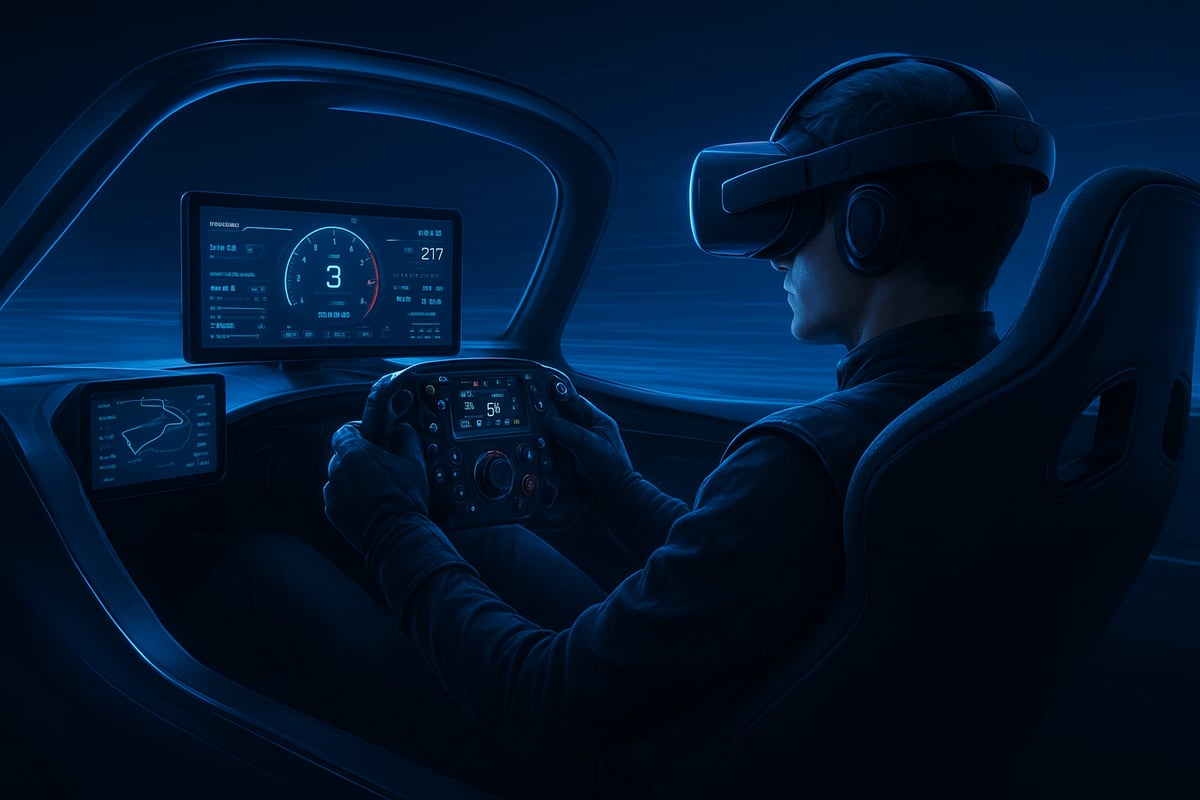
Getting the basics right sets you up for real progress in any F1 racing sim. Start with throttle and brake control — think of your pedals like volume knobs, not on-off switches. Gentle modulation helps you avoid wheel spin and lockups.
Steering input is all about precision. Try to keep your movements smooth and measured, especially through corners. Focus on hitting the ideal racing line: brake before the corner, clip the apex, and accelerate out for the fastest exits.
Advanced skills like trail braking help you carry more speed into corners. Try throttle blipping when downshifting to keep the car balanced. Managing weight transfer is another secret — smooth transitions keep your tyres planted.
In longer races, keep an eye on tyre wear and fuel and learn to adapt your driving style as grip fades. Multiplayer races add another layer: defend your line, time your overtakes, and anticipate your rivals' moves.
Upgrading to a high-performance direct drive wheel can make a world of difference, giving you the feedback pros rely on. If you're curious, check out this direct drive racing wheels guide to see what sets top-tier hardware apart.
Consistency is king in any F1 racing sim. Build a routine with regular, focused practice sessions. Start with short stints, gradually increasing your pace and session length.
Use telemetry data to spot where you can improve. Look for patterns in braking points, throttle traces, and steering input. Many real-world F1 drivers use sims to refine muscle memory and keep sharp between races.
Mix in drills: try hot laps, qualifying runs, or simulate race starts. The key is repetition; over time, your hands and feet will learn the rhythm, and your lap times will show it.
Getting started with a 2026 F1 racing sim is easier than you might think.
If you’re brand new or you’re finally upgrading that old setup, this step-by-step guide walks you through everything — choosing your platform, dialling in your gear, and joining a sim racing community.
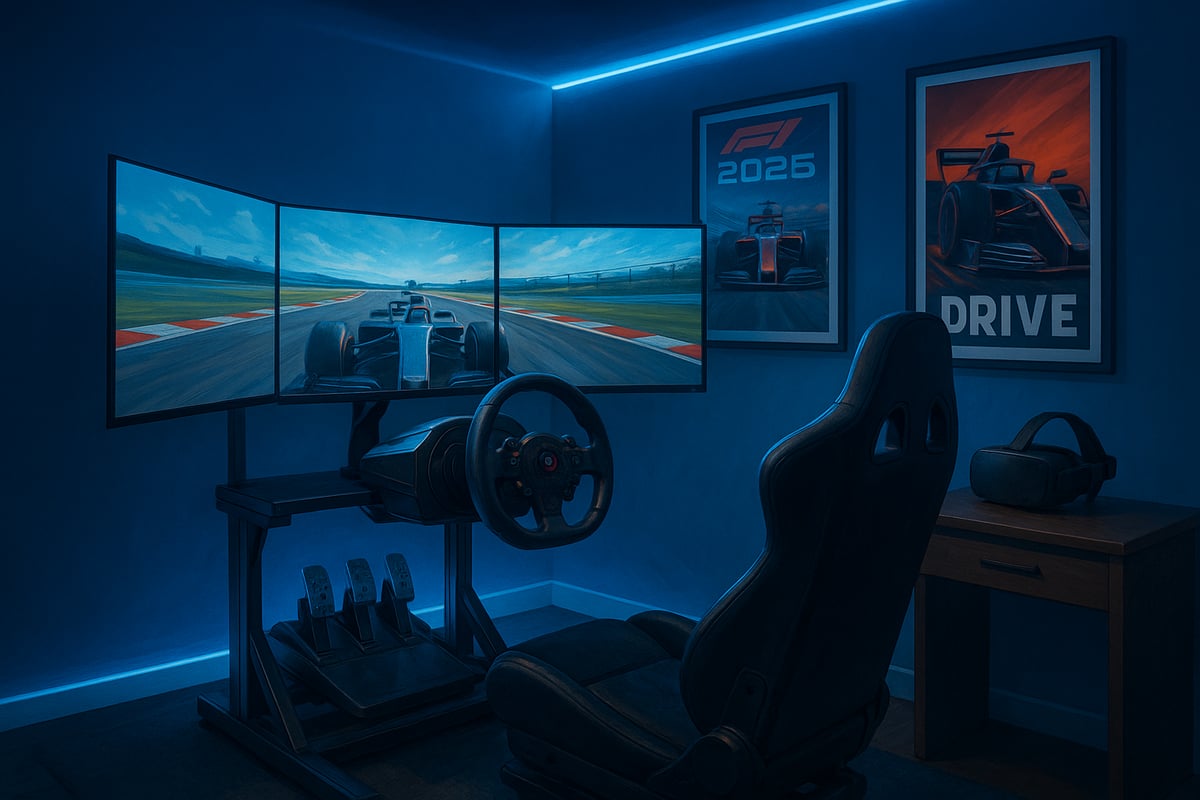
First, you’ll need to choose the best F1 racing sim platform for your needs. Research the latest titles that feature the 2026 season, paying attention to system requirements.
Is your PC or console up to the task? Double-check compatibility, especially if you plan to use VR or specialised hardware. Once you’ve made your choice, download and install your selected F1 racing sim.
Most platforms offer clear installation guides, so follow the prompts and let the software set itself up.
Now it’s time to set up your gear. Unbox your steering wheel, pedals, shifter, and seat. Connect everything securely to your PC or console. If you’re using a VR headset, install any required drivers and ensure compatibility with your F1 racing sim.
Calibration is key. Each F1 racing sim has its own settings for steering, pedals, and force feedback. Tweak these for comfort and responsiveness. If you’re looking for a complete setup, check out racing simulator bundles for home to simplify your build.
Once your hardware is ready, dive into your F1 racing sim’s settings. Adjust assists like ABS and traction control to match your skill level. Tinker with graphics and audio for maximum immersion, especially if you’re using VR or a multi-monitor setup.
Don’t forget to set up your multiplayer accounts and in-game profile. These steps ensure you’re ready to race online or track your progress as you improve.
With everything in place, it’s time to hit the track. Start with beginner-friendly cars and tracks in your F1 racing sim. Most sims offer tutorials or practice modes—use these to get comfortable with the controls and physics.
Pay attention to your initial lap times and how the car feels. Make small adjustments to your setup based on this early feedback. Every lap brings you closer to mastering your new F1 racing sim.
Finally, connect with other fans and racers. Look for online leagues, local events, and forums dedicated to your favourite F1 racing sim. Australian communities are vibrant and welcoming, offering plenty of chances to race, share tips, and learn from others.
By engaging with the community, you’ll find new rivals, mentors, and friends. Plus, you’ll stay up to date with the latest F1 racing sim trends and updates.
Looking to sharpen your F1 racing sim skills in 2026? This is where you move from fast to fastest.
Let’s dive into the advanced tactics and mindsets you need to edge out the competition, blending data-driven decisions, technical setup, mental focus, and staying ahead of the curve.
Winning in an F1 racing sim often comes down to understanding your data. Telemetry tools let you break down every lap, comparing sector times, throttle application, and braking points.
A great example is the Digital Twin Racetrack Experience, where sim racers can access highly detailed track models and performance feedback. These tools help you spot where you’re losing time and where you can push harder.
Key telemetry metrics to track:
Metric |
What it Reveals |
|---|---|
Lap time |
Overall pace |
Sector splits |
Strengths and weaknesses |
Brake points |
Consistency and efficiency |
Throttle data |
Smoothness and traction usage |
By regularly reviewing your F1 racing sim telemetry, you’ll make smarter adjustments and see measurable gains.
In 2026, mastering F1 racing sim strategy means adapting to new rules and tech. With the latest F1 2026 Regulation Changes, sims now feature smaller cars, boost modes, and updated tyre models.
To stay ahead:
Adjust your car’s aerodynamics for each track.
Fine-tune suspension and tyre pressures based on weather and race length.
Develop flexible race strategies, especially for pit stops and tyre choices.
Experiment with setups in practice sessions and monitor how changes affect your sim’s handling. The right tweaks can transform your F1 racing sim experience from average to exceptional.
Advanced sim racers know that performance isn’t just mechanical, it’s mental. Before big races, visualise your laps. Picture every braking zone and overtaking move in your F1 racing sim.
Try this routine:
Take a few deep breaths before you start.
Eliminate distractions around your setup.
Use a consistent pre-race ritual, like reviewing your last session’s notes.
Staying calm under pressure helps you react faster, especially in online races where split-second decisions matter. The mental edge often decides who makes the podium and who just misses out.
The world of F1 racing sim is evolving fast. Keep an eye on patch notes, major updates, and new features added by developers.
Join beta tests if you can, and follow esports events for insights from pro sim racers. Tech innovations like digital twins and AI-driven car behaviour are setting new standards, so staying informed helps you adapt.
Connect with communities, share your progress, and always look for ways to improve. In F1 racing sims, the racers who learn and adapt fastest are the ones crossing the finish line first.
Ever wondered what it’s like to step into the cockpit of an F1 car without ever leaving Australia? The world of F1 racing sim has exploded here, giving you the chance to experience heart-pounding speed and precision at leading venues across the country.
Australia’s F1 racing sim scene is thriving, with standout locations in Melbourne, Perth, and Sydney. Venues like the Bankstown Airport F1 Racing Simulator provide an authentic racing environment, combining motion platforms, wraparound screens, and professional-grade wheels.
Expect to pay between $75 and $99 for a 60-minute session, making it accessible whether you’re a seasoned sim racer or just curious to try your hand at virtual motorsport. These experiences are designed to mimic real race days, complete with pre-session briefings and post-race analysis.
Bankstown Airport F1 Racing Simulator
VR Racing Experiences in Melbourne and Perth
Sessions typically include practice, qualifying, and race segments
No matter which city you’re in, there’s likely a venue ready to put your F1 racing sim skills to the test.
Walking into a professional F1 racing sim session, you’ll notice the difference straight away. Sessions usually start with a thorough briefing, followed by practice laps, qualifying, and a simulated race. Full motion platforms and advanced VR integration create an incredibly lifelike experience, letting you feel every bump and turn as if you’re on the real track.
Feedback systems, such as force feedback wheels and realistic pedal resistance, add to the immersion. These venues often mirror technology found in elite motorsport. Compared to home setups, the sheer scale and realism of a pro venue can be a game-changer.
Preparation is key. Wear comfortable clothing and shoes with thin soles for better pedal feel. Arrive early to get familiar with the equipment and ask staff for setup tips.
During your session, focus on learning from instructors and use their feedback to improve. Maximise your track time by staying focused and minimising distractions. If you’re nervous, remember that everyone starts somewhere, and each session is a chance to build your confidence and skills.
Bring water and stay hydrated
Record your lap times for future comparison
Try different cars or settings if available
Looking ahead, the future of F1 racing sim in Australia is brighter than ever. More venues are opening up, and communities are forming around local leagues and events. With 2026 simulation technology on the horizon, expect even more realism, enhanced VR, and expanded esports opportunities.
Aussie sim racers, both competitive and casual, will see new ways to engage and improve. As technology continues to evolve, you could soon find yourself racing with tools once reserved for F1 teams. The next lap in F1 racing sim innovation is just around the corner, and Australia is already on the grid.


