
9 Essential F1 Sim Rig Upgrades You Need In 2026
|
|
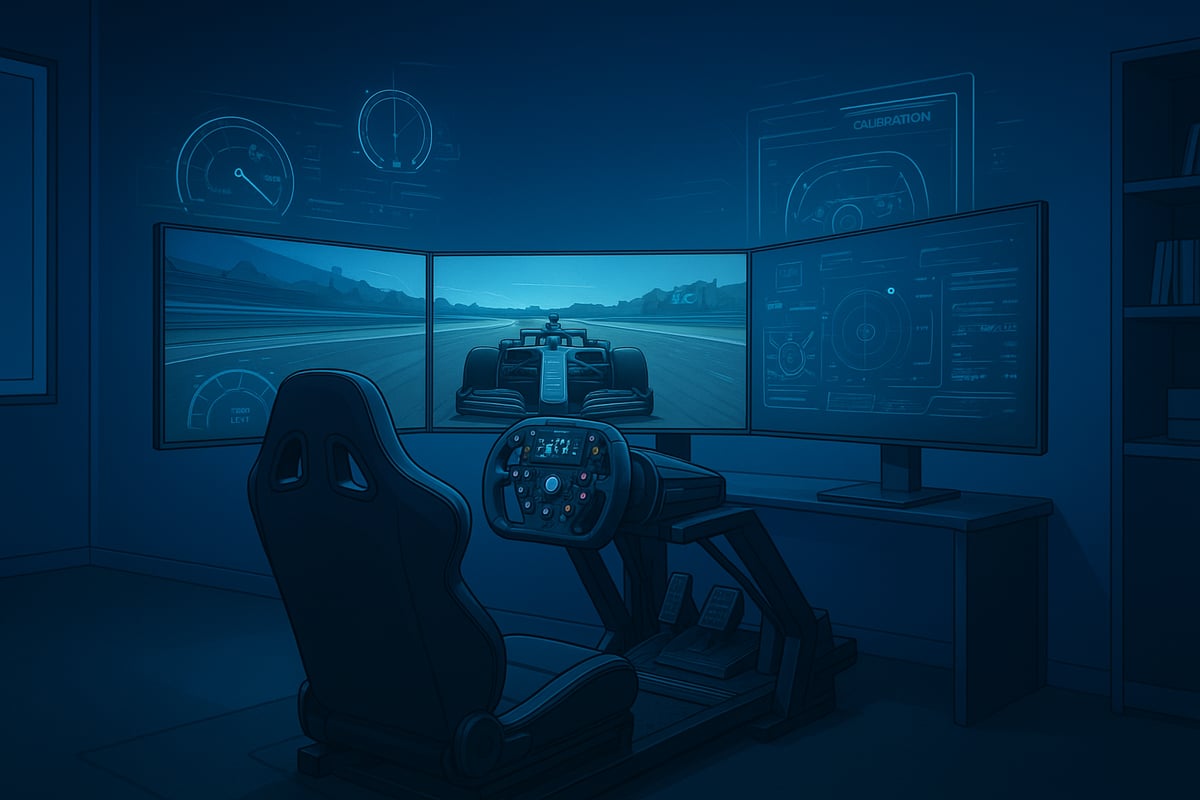
Imagine gripping the wheel and feeling every bump, vibration, and split-second reaction as if you were on the grid at Monaco in 2026.
The world of F1 sim rig racing is more thrilling and realistic than ever, drawing in both newcomers and seasoned racers.
If you’re chasing a more immersive experience, the right upgrades can transform your setup entirely.
In this guide, you’ll discover nine essential F1 sim rig upgrades that can boost your immersion, sharpen your skills, and give you that all-important competitive edge.
Ready to race like the pros? Let’s dive in.
Sim racing has exploded in popularity, and right now, the F1 sim rig scene is more exciting than ever.
It doesn’t matter if you’ve been racing for years or you’re just a beginner jumping into the scene — it’s impossible to ignore how much the sport has evolved.
Let’s dive into the biggest changes shaping your experience in 2026.

The F1 sim rig community has seen massive growth, with more drivers, fans, and esports professionals joining every season. Online leagues and forums are buzzing, and there’s a real sense of camaraderie and rivalry. Hardware and software have both significantly improved, with games offering near-photorealistic visuals and dynamic physics.
Esports and official F1 teams are now even more connected, with the F1 Esports Series driving demand for top-tier sim gear. In fact, viewership numbers are skyrocketing, as seen in the F1 Sim Racing World Championship 2025 Viewership Records, proving just how mainstream sim racing has become.
This surge means more innovation and better options for your F1 sim rig than ever before.
The technology behind your F1 sim rig is advancing at lightning speed. Direct drive wheel bases are now standard for enthusiasts, delivering powerful torque and hyper-realistic feedback. Load cell pedals offer true-to-life brake pressure, and motion platforms bring the sensation of every kerb and bump right into your seat.
Haptic systems and high-resolution displays, including VR and ultra-wide monitors, are gaining traction. Market analysts predict double-digit growth for sim racing hardware through 2026, so expect even more groundbreaking features soon. With all these advancements, your F1 sim rig can now mirror the experience of real-world racing like never before.
So, why invest in upgrading your F1 sim rig? The answer is simple: performance, immersion, and the thrill of competition. High-end gear translates to faster reaction times, more precise control, and a deeper connection to the car and track.
Many racers report shaving seconds off their lap times after upgrading their setups. Imagine pushing through Eau Rouge or threading the needle at Monaco, feeling every change in grip and weight transfer. For anyone chasing that competitive edge, a well-upgraded F1 sim rig is the key to unlocking your true potential.
Ready to transform your F1 sim rig into a beast for 2026?
Let’s walk through the nine upgrades every serious sim racer needs for that edge—whether you’re chasing milliseconds or jaw-dropping immersion. Each upgrade below unlocks a new level of realism, comfort, or control, so you can experience virtual F1 racing like never before.

Imagine gripping a wheel that feeds every bump, kerb, and slip straight through your hands—just like a real F1 car.
That’s what a direct drive steering wheel base brings to your F1 sim rig. These bases use powerful motors to deliver torque directly to the wheel, giving you smooth, ultra-precise force feedback.
Key features:
High torque output for realistic steering resistance
Minimal lag, maximum detail
Durable construction and fine adjustability
Popular models:
MOZA R21 Ultra Direct Drive Wheelbase
Simucube 2 Pro R2 Direct Drive Wheelbase
Pros:
Outstanding realism and control
Long lifespan
Cons:
Higher upfront cost
May require a sturdy rig
If you’re serious about your F1 sim rig and want to close the gap between virtual and real racing, this upgrade is a must. Once you try direct drive, going back feels like trading a supercar for a hatchback.
Ever locked up at the last corner because your brake pedal felt spongy? Load cell pedals solve that by measuring true brake pressure, not just pedal travel. They’re a game-changer for your F1 sim rig, delivering the muscle memory and consistency you need to nail every braking zone.
Standout features:
Adjustable resistance for custom pedal feel
Superior pressure detection for better modulation
Top picks:
MOZA CRP2 Load Cell Pedals
MOZA mBooster Pedal Set
Pros:
Real-world brake feel
Highly customisable
Cons:
May take time to master
Pricier than entry-level sets
If you want to lap like the pros and push your F1 sim rig to the limit, load cell pedals are worth the investment. You’ll feel the difference every lap.
Want to feel every crest, rumble strip, and oversteer moment? A motion platform or seat mover adds physical movement to your F1 sim rig, letting you sense the track beneath you. These systems move your seat or cockpit along multiple axes, simulating g-forces and road textures.
Core features:
Multi-axis movement (pitch, roll, heave)
Compatible with leading sim software
Best-in-class examples:
Sigma Integrale DK2+ Motion System
Sigma Integrale DK6+ Motion System
Pros:
Immersive, full-body feedback
Great for training and fun
Cons:
Needs extra space
Can be noisy
Curious about motion rigs? Check out the Ultimate guide to motion sim racing to see how this upgrade can supercharge your F1 sim rig. Once you try it, you’ll never want to race on a static seat again.
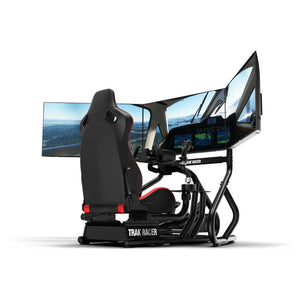
Peripheral vision is everything in racing. A triple monitor setup wraps the track around you, making your F1 sim rig feel like a real cockpit. Go for high refresh rates and at least 1440p or 4K resolution to ensure razor-sharp visuals and smooth motion.
Key specs:
1440p/4K panels
120Hz+ refresh rates
Thin bezels for seamless view
Top models:
Sony Bravia 3 S30 43" 4K
AOC 49" Ultra-Wide
Pros:
Expansive field of view
Increased situational awareness
Cons:
Demands a powerful GPU
Takes up desk space
If you’re looking to boost immersion and spot rivals sneaking up beside you, this upgrade is a must for any F1 sim rig enthusiast.
Ever wish you could feel the rumble of the engine or the vibration of kerbs through your seat? Haptic feedback systems use tactile transducers to bring those sensations to your F1 sim rig, making every lap a multisensory experience.
Capabilities:
Vibrations synced with road surface, revs, and gear changes
Seat and pedal integration for full-body feedback
Leading product/s:
D-BOX G5 4250i Haptic Motion System
Pros:
Non-intrusive, easy to add
Heightens realism
Cons:
Needs tuning to your setup
Extra investment
If you crave immersion, adding haptics to your F1 sim rig is like moving from stereo to surround sound for your senses.
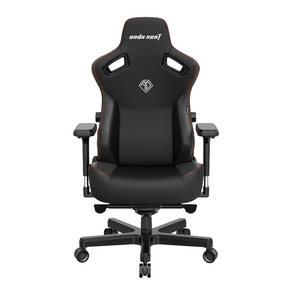
Comfort and posture are vital for long stints or endurance events. A professional racing seat elevates your F1 sim rig, offering ergonomic support and a true F1 driving position. Look for adjustable mounts and FIA-inspired construction.
Features:
Contoured, ergonomic design
Multiple mounting points
Examples:
Playseat Sensation Pro
Playseat Challenge DD F1 Edition Racing Chair
Pros:
Reduces fatigue
Improves focus and immersion
Cons:
Installation can be tricky
Bulky for smaller spaces
If you race for hours or want to replicate the F1 cockpit, this upgrade turns your F1 sim rig into a serious driver’s environment.
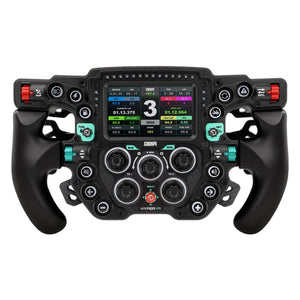
Managing ERS, DRS, and pit strategies demands quick access to controls. An advanced button box or upgraded wheel adds programmable buttons, rotary encoders, and toggles to your F1 sim rig, putting every function at your fingertips.
Functions:
Customisable for different sims
Backlit buttons for night racing
Top choices:
PXN CB1 Button Box
Pros:
Faster in-race adjustments
Tailored to your needs
Cons:
Takes up desk space
Can be pricey
For those who love fine-tuning setups or racing in complex sims, these controls make your F1 sim rig as functional as a real F1 cockpit.
All the gear in the world is pointless if your PC can’t keep up. Upgrading your CPU, GPU, and storage ensures your F1 sim rig runs the latest titles at high settings, whether you’re in VR or running triple monitors.
Specs to aim for:
Latest Intel or AMD CPUs
RTX 4000/5000 series GPUs
Fast SSDs for load times
Example builds:
Intel i9-14900K
NVIDIA RTX 4090
Pros:
Smooth, stable frame rates
Future-proofs your rig
Cons:
High initial cost
May need new power supply or cooling
If you want your F1 sim rig to deliver jaw-dropping visuals and instant response, don’t skimp on the PC hardware.
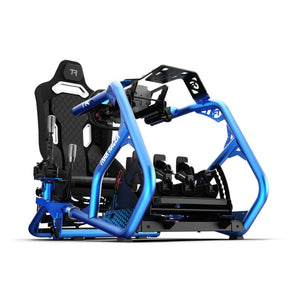
The backbone of your setup, a solid cockpit frame eliminates flex and supports heavy hardware. A quality chassis brings rigidity, adjustability, and modularity to your F1 sim rig, letting you expand as your needs grow.
Features:
8020 aluminium profile or steel construction
Adjustable pedal and wheel mounts
Top models:
Playseat Formula Intelligence F1 Edition
Playseat Formula Instinct F1 Edition
Pros:
Handles direct drive wheels with ease
Upgrade-friendly
Cons:
Large footprint
Assembly takes time
Whether you’re building your first F1 sim rig or upgrading for pro-level gear, a strong cockpit is your foundation for long-term performance.
Building your dream F1 sim rig is all about striking a balance between personalisation, performance, and longevity. As sim racing technology skyrockets in 2026, knowing how to keep your setup compatible and ready for future upgrades is a real game-changer.
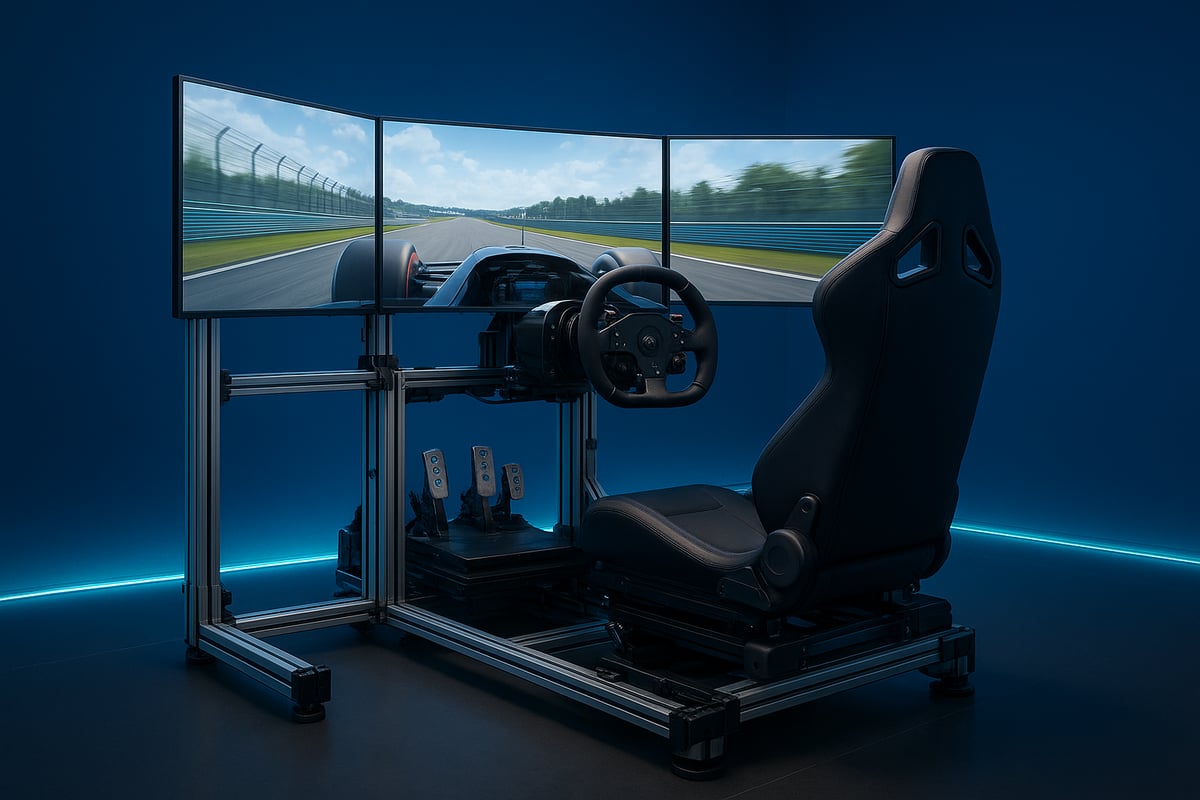
Ever found yourself excited about a new upgrade, only to realise it doesn't fit your F1 sim rig? Compatibility is the first box to tick before any purchase. Matching your wheelbase, pedals, and seat with the right mounting standards is essential for seamless integration.
For example, many top-tier rigs use 8020 aluminium profiles, making it easier to mix and match brands. Always check bolt patterns and mounting plates—nothing derails a build like mismatched holes.
For a step-by-step approach, the full racing simulator setup guide breaks down how to assemble a compatible and cohesive f1 sim rig from scratch.
Keeping your F1 sim rig's hardware updated is just as important as the physical build. Manufacturers regularly release firmware and driver updates that improve force feedback, unlock new features, or enhance compatibility with the latest sim titles.
Imagine unlocking advanced force feedback profiles or new pedal calibration options after a simple update. This can give your rig a fresh feel without spending a cent. Make it a habit to check for software updates, especially when new games or hardware hit the market. Staying current ensures your F1 sim rig remains responsive and future-proof.
A well-planned F1 sim rig is like a foundation for years of racing thrills. Modular rigs are a top choice, giving you the flexibility to add motion platforms, haptic systems, or even VR down the line. Fixed setups may look sleek, but can limit your options as new tech emerges.
Industry trends show sim rig owners are upgrading more often, driven by rapid advancements and increased market demand. Anticipate your needs—if you dream of multi-monitor racing or motion feedback, choose a chassis that supports these upgrades. This approach saves time, money, and headaches in the long run.
Setting a budget for your F1 sim rig upgrades? It's all about maximising performance for your dollar. Entry-level gear lets you experience the basics, but enthusiast-grade hardware delivers that competitive edge and immersion.
Consider staged upgrades: start with a solid frame and wheelbase, then add advanced pedals or displays. This way, you avoid unnecessary spending while keeping your rig competitive.
With the home sim market booming, prices and options will keep shifting, so always compare features and future upgrade potential before hitting buy.
Getting the most out of your F1 sim rig starts with solid assembly and careful calibration. Take time to secure every bolt and double-check your hardware, as even minor flex can hurt lap times. Next, focus on your seating position and monitor alignment. Aim for a clear line of sight and relaxed posture to reduce fatigue during long races.
Fine-tune your force feedback and pedal settings to match your driving style. Everyone’s preferences are different, so experiment until the rig feels natural. Dive into telemetry and data analysis—these tools can reveal hidden areas for improvement and help you shave off those last tenths.
For more setup strategies and ongoing optimisation, explore resources like the F1 driving simulator guide, where you’ll find expert tips and community advice tailored for sim racers.